Rowenta Steam Iron Manual: A Comprehensive Guide
Discover optimal garment care with this detailed guide, covering Rowenta steam iron features, operation, troubleshooting, and maintenance for superior results.
Understanding Your Rowenta Steam Iron
Rowenta steam irons are engineered for powerful and efficient ironing, utilizing advanced steam technology to deliver professional results at home. These irons boast features like high wattage – often 1800W or more – and stainless steel soleplates with numerous steam holes (up to 400) for even steam distribution.
Understanding the specific model, its capacity (around 10.1 oz), and features like auto-off and anti-calc systems is crucial for optimal performance and longevity. Familiarizing yourself with fabric settings ensures appropriate heat for various materials.
Model Identification and Key Features
Identifying your Rowenta model – such as the DG8520 Perfect Steam, DW8360 Stainless Steel, or DE 873 Professional – is the first step. Key features vary; however, commonalities include powerful steam output, stainless steel soleplates, and multiple fabric settings.
Premium models offer rapid heat-up and larger water tank capacities. Safety features like auto-off and anti-calc systems are prevalent. Vertical steaming is also a common, versatile addition for quick garment refreshes.
Unpacking and Initial Setup
Carefully unpack your Rowenta steam iron, ensuring all components are present. Remove all packaging materials and protective films. Before first use, inspect the iron for any visible damage. Fill the water tank with clean water – distilled water is often recommended – to the maximum fill level.
Plug the iron into a grounded electrical outlet and perform a steam test to flush the system, following the instructions in the operating section;
Components of a Rowenta Steam Iron
Rowenta steam irons boast several key components for efficient ironing. These include a durable soleplate with precisely engineered steam holes for even distribution. A removable water tank allows for easy filling and maintenance. The control panel features intuitive settings for temperature and steam output.
Additional features often include an anti-calc system and safety auto-off functionality, enhancing performance and user safety.
Soleplate and Steam Holes
The soleplate, often stainless steel, glides smoothly across fabrics. Rowenta utilizes varying soleplate designs for optimal performance. Crucially, the 400 active steam holes distribute moisture evenly, penetrating fibers for effective wrinkle removal. The design minimizes drag and maximizes steam contact.
Regular cleaning maintains soleplate smoothness, preventing residue buildup that can hinder performance and potentially damage clothing.
Water Tank and Fill Level
Rowenta steam irons feature a removable water tank, typically with a 10.1 oz capacity, allowing for extended ironing sessions without frequent refills. Always use clean water – distilled or demineralized is recommended – to prevent scale buildup. The tank has a clear level indicator, showing the remaining water.
Do not overfill beyond the ‘max’ line to avoid leakage during operation. Regular emptying after use helps maintain iron longevity.
Control Panel Overview
The Rowenta steam iron control panel typically includes a temperature dial for fabric selection – from delicate synthetics to linen – and steam adjustment settings. Indicator lights signal when the iron is heating, ready for use, or if the anti-calc system requires attention (often a “Calc” light).
Some models feature digital displays and pre-programmed fabric settings for enhanced convenience and precision.
Operating Instructions
Before use, ensure the iron is placed on a stable, heat-resistant surface. Proper operation begins with filling the water tank with appropriate water – distilled or filtered is often recommended – and selecting the correct temperature setting based on the garment’s fabric type.
Allow the iron to heat up fully before ironing, and utilize the steam adjustment features for optimal results. Always refer to garment care labels.
Filling the Water Tank
To fill the water tank, unplug the iron and allow it to cool. Locate the tank opening, typically on the top of the iron, and lift the filling cap. Slowly pour water into the tank, being careful not to exceed the maximum fill line indicated.
Using distilled or filtered water is recommended to prevent mineral buildup. Securely close the cap before operation, ensuring a tight seal to avoid leaks during steam ironing.
Temperature Settings for Different Fabrics
Rowenta irons offer adjustable temperature settings for optimal fabric care. Lower settings are ideal for delicate fabrics like silk and synthetics, preventing scorching. Medium settings suit wool and polyester blends, while higher temperatures are best for cotton and linen.
Always refer to the garment’s care label and start with a lower setting, increasing gradually if needed. Testing an inconspicuous area first is recommended to ensure fabric compatibility.
Steam Adjustment and Burst of Steam Function
Rowenta steam irons provide adjustable steam levels to suit various fabrics. Lower steam settings are suitable for delicate materials, while higher settings effectively remove wrinkles from heavier fabrics like linen. The burst of steam function delivers an extra surge of moisture for stubborn creases.
Utilize this feature sparingly, as excessive steam can cause water spots. Ensure the water tank is adequately filled for optimal steam performance during ironing sessions.
Advanced Features
Rowenta steam irons boast innovative features for enhanced convenience and performance. Vertical steam capability allows for refreshing hanging garments and draperies without an ironing board. The auto-off safety feature automatically shuts off the iron after a period of inactivity, preventing hazards.
Furthermore, the integrated anti-calc system minimizes limescale buildup, extending the iron’s lifespan and maintaining consistent steam output. These features ensure a safe and efficient ironing experience.
Vertical Steam Capability
Rowenta’s vertical steam function offers a convenient way to quickly refresh clothes without traditional ironing. Simply hang the garment and use the steam to release wrinkles, ideal for suits, dresses, and delicate fabrics. This feature is particularly useful for items that are difficult to iron on a board.
Ensure a safe distance and use a steady, sweeping motion for optimal results. It’s perfect for curtains and upholstery too!
Auto-Off Safety Feature
Rowenta steam irons are equipped with an automatic shut-off feature, enhancing safety and providing peace of mind. If the iron is left stationary in a horizontal position for an extended period, it will automatically turn off. Similarly, it shuts off if left on the soleplate.
This prevents potential fire hazards and conserves energy. The specific timeframe varies by model, but it’s a crucial safety component.
Anti-Calc System and Maintenance
Rowenta irons feature an integrated anti-calc system to minimize limescale buildup, preserving steam performance and extending the iron’s lifespan. Regular descaling is essential, even with this system. The “Calc” light indicates when descaling is needed.
Utilize a descaling solution or a mixture of water and vinegar, following the instructions in the manual. Proper maintenance ensures consistent steam output and prevents damage.
Troubleshooting Common Issues
Encountering problems? First, verify the water tank is full and the temperature setting is appropriate for your fabric. If the iron isn’t heating, check the power connection and settings.
For no steam production, ensure the steam setting isn’t on the ‘0’ position. Water leakage often indicates excessive water or a full tank during storage. Consult the manual or support for persistent issues.
Iron Not Heating Up
If your Rowenta iron isn’t heating, begin by confirming it’s securely plugged into a functioning power outlet. Verify the temperature dial is set to a desired heat level, not ‘off’ or ‘minimum’.
Check if the power indicator light illuminates; if not, the heating element may be faulty. Consult the user manual for reset instructions or contact Rowenta customer support for further assistance and potential repair options.
No Steam Production
Experiencing a lack of steam? First, ensure the water tank is adequately filled. Confirm the steam setting isn’t at the ‘no steam’ or ‘minimum’ position. Verify the iron has reached the selected temperature, as steam production requires sufficient heat.
If the issue persists, the anti-calc system might be activated; descale the iron following the manual’s instructions. A clogged steam vent could also be the cause – refer to the cleaning section.
Water Leaking from the Iron
If water is leaking, avoid using excessive water in the tank – do not overfill. Ensure the iron is at the correct temperature for the selected fabric; lower temperatures can cause condensation and leakage. Check the seal around the water tank for any damage or looseness.
Sometimes, leakage occurs during the initial heat-up phase; this is usually normal. If leakage continues, descale the iron to remove potential blockages.
Cleaning and Maintenance
Regular cleaning ensures optimal performance and extends the life of your Rowenta steam iron. Descaling, ideally every 20-30 uses depending on water hardness, removes mineral buildup. Always unplug and cool the iron before cleaning. Wipe the exterior with a damp cloth; avoid abrasive cleaners.
A clean soleplate is crucial – use a specific soleplate cleaner or a damp cloth to remove residue. Store the iron upright in a cool, dry place.
Descaling the Iron
To descale, mix the recommended descaling solution with water, following product instructions. Fill the water tank and activate the steam function on a vertical surface. Allow the iron to steam until the tank is empty, repeating if necessary. Afterwards, rinse the tank thoroughly with clean water, steaming until clear.
Regular descaling, every 20-30 uses, prevents buildup and maintains steam output. Always refer to your model’s manual for specific descaling guidelines.
Cleaning the Soleplate
Ensure the iron is cool and unplugged before cleaning. Gently wipe the soleplate with a soft, damp cloth to remove residue. For stubborn marks, use a specialized soleplate cleaner, following its instructions carefully. Avoid abrasive cleaners or scouring pads, as they can scratch the surface.
Regular cleaning maintains glide and prevents transfer of residue to your clothes, ensuring optimal ironing performance and extending the life of your iron.
Storage Instructions
Always allow the Rowenta steam iron to cool completely before storing. Empty the water tank to prevent mineral buildup and leakage. Store the iron in a cool, dry place, away from direct sunlight and extreme temperatures. Avoid wrapping the cord tightly around the iron, as this can damage it.
Proper storage ensures the longevity of your iron and maintains its optimal functionality for future use, safeguarding your investment.
Safety Precautions
Always disconnect the iron from the power outlet when not in use and during filling or cleaning. Never leave a hot iron unattended. Keep the iron out of reach of children. Avoid touching the soleplate, as it reaches high temperatures.
Exercise caution when using the steam function to prevent burns. Ensure the electrical cord is not damaged and avoid using extension cords if possible.
General Safety Guidelines
Read all instructions carefully before operating your Rowenta steam iron. Use the iron only for its intended purpose – ironing fabrics. Never immerse the iron in water or any other liquid. Inspect the cord regularly for damage, and discontinue use if any are found.
Always iron on a stable, heat-resistant surface. Allow the iron to cool completely before storing. Keep the iron away from flammable materials.
Avoiding Burns and Electrical Hazards
Exercise extreme caution when using a hot iron; avoid touching the soleplate. Never leave a hot iron unattended. Keep the iron out of reach of children; Unplug the iron when not in use and before filling or emptying the water tank.
Do not operate the iron with a damaged cord or plug. Ensure the electrical outlet is properly grounded. Avoid using extension cords if possible.
Warranty Information
Rowenta offers a limited warranty on its steam irons, covering defects in materials and workmanship. Coverage typically lasts for one year from the date of purchase, but may vary by model. To claim warranty service, retain your proof of purchase and contact Rowenta customer support.
The warranty does not cover damage caused by misuse, accidents, or failure to follow instructions. Review the full warranty details included with your iron for specific terms and conditions.
Coverage Details
Rowenta’s limited warranty generally covers defects in materials and workmanship under normal household use for one year. This includes issues with the heating element, steam function, and internal components. The warranty doesn’t extend to normal wear and tear, damage from improper use, or unauthorized repairs.
Specifically, it excludes damage from scale buildup if descaling isn’t performed regularly, as outlined in the manual. Always retain proof of purchase for warranty claims.
How to Claim Warranty
To initiate a warranty claim, contact Rowenta’s customer support with your model number and proof of purchase. You may need to provide a description of the defect and potentially photos or videos. Rowenta will then assess the issue and, if covered, offer repair or replacement.
Shipping costs for sending the iron for repair or replacement may be the responsibility of the consumer. Keep the original packaging if possible, to facilitate the return process.
Rowenta Model Specific Manuals (Links)
Access dedicated resources for your Rowenta iron model! Find the DG8520 Perfect Steam Manual for advanced features and detailed instructions. Explore the DW8360 Stainless Steel Manual for optimal stainless steel soleplate care.
For professional-grade ironing, consult the DE 873 Professional Manual. These links provide comprehensive guides to maximize your ironing experience and ensure proper appliance maintenance.
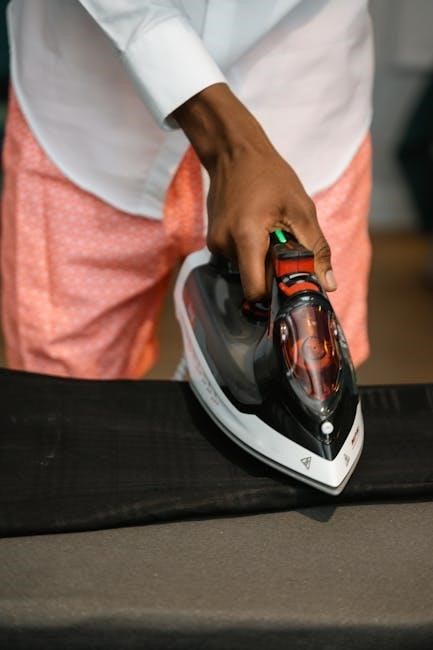
DG8520 Perfect Steam Manual
The Rowenta Perfect Steam DG8520 manual details its advanced steam technology, offering unrivaled performance. Learn about the exclusive steam and temperature settings for various fabrics, ensuring optimal results. Discover how to utilize the integrated features, including the automatic steam function and vertical steaming capabilities.
This manual provides essential guidance on maintenance, descaling, and troubleshooting for long-lasting performance.
DW8360 Stainless Steel Manual
The Rowenta DW8360 Stainless Steel manual highlights its 400 microsteam holes for exceptional steam distribution. Explore the various fabric settings – cotton, wool, silk, and more – to achieve professional ironing results. Understand how to effectively utilize the 1775-watt power and stainless steel soleplate.
This guide covers filling, cleaning, and troubleshooting to maximize the iron’s lifespan and performance.
DE 873 Professional Manual
The Rowenta Professional DE 873 manual details its advanced steam technology for demanding ironing needs. Learn about precise temperature control and optimal steam settings for various fabrics, ensuring professional results. Discover how to maintain peak performance through proper descaling and soleplate cleaning.
This resource provides guidance on troubleshooting common issues and understanding the iron’s features for long-lasting use.
Frequently Asked Questions (FAQ)
Many users inquire about water types; distilled water is generally recommended to prevent mineral buildup. Descaling frequency depends on water hardness and usage – typically every 1-3 months. The “Calc” light illuminates when the anti-calc system needs attention, indicating it’s time to descale;
If the iron isn’t steaming, ensure the tank is full and the temperature is correctly set.
Can I use distilled water in my Rowenta iron?
Yes, Rowenta strongly recommends using distilled or demineralized water in your steam iron. Tap water contains minerals that can cause scale buildup within the iron’s heating chamber and steam vents, reducing performance and lifespan. Using distilled water minimizes this buildup, ensuring consistent steam production and prolonging the life of your appliance.
Regular use of distilled water also simplifies the descaling process.
How often should I descale my iron?
The frequency of descaling depends on your water hardness and usage. Rowenta recommends descaling every 1-3 months for areas with hard water, and every 3-6 months for soft water. Pay attention to the “Calc” light on your iron; it illuminates when scale buildup is detected. Regular descaling maintains optimal steam performance and prevents damage to the internal components, ensuring a longer lifespan for your appliance.
What does the “Calc” light indicate?
The “Calc” light on your Rowenta steam iron signals the presence of scale buildup within the iron’s internal system. This buildup occurs due to mineral deposits from water, hindering steam production and potentially damaging the appliance. When the light illuminates, it’s time to initiate the descaling process, using a descaling solution or the iron’s self-cleaning function. Ignoring this warning can lead to reduced performance and eventual iron failure.