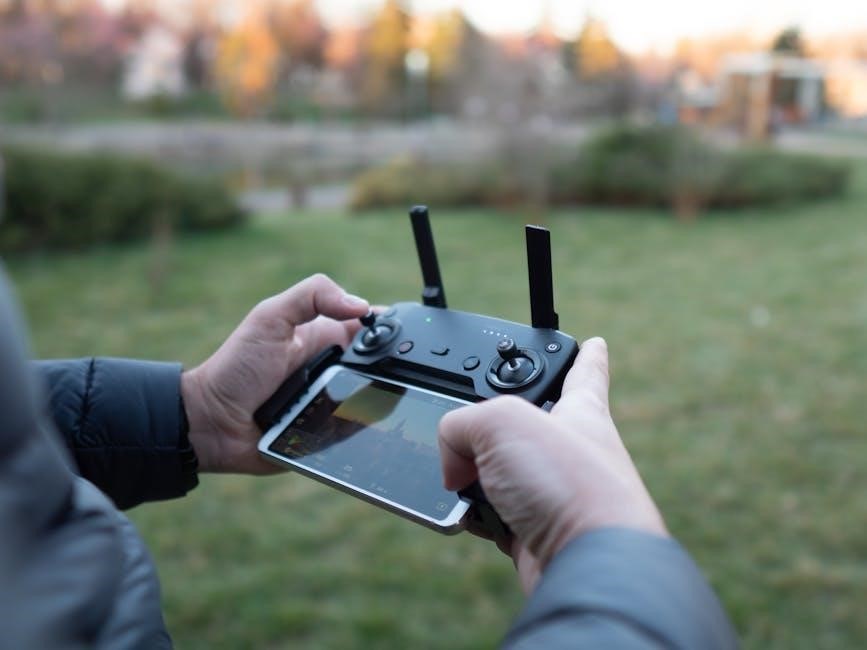
Remote Starters on Manual Transmission Vehicles: A Comprehensive Plan
Installing remote starters in manual transmission vehicles presents unique challenges, primarily concerning safety and liability. Modules like the Compustar RS1B-AL exist,
but installers often hesitate due to potential risks associated with bypassing the clutch safety switch and the possibility of vehicle lurching.
Understanding the Challenges
The core difficulty lies in the inherent safety mechanisms of manual transmission vehicles. Unlike automatics, manuals require the clutch to be depressed for starting, preventing unintended movement. Remote starters bypass this, necessitating a workaround for the clutch safety switch. This bypass, while enabling remote start, introduces a significant risk: the vehicle could potentially lurch forward or backward if not properly parked in gear.
Liability is a major concern for installers. If a remotely started manual transmission vehicle causes damage or injury, the installer, vehicle owner, and potentially the remote start manufacturer could face lawsuits. Insurance policies may also be voided, as many explicitly exclude coverage for modifications that compromise safety features. Dealers, acutely aware of these risks, often refuse to install remote starters in manual transmission cars altogether, removing existing ones from trade-ins.
The decreasing prevalence of manual transmissions further complicates matters. As fewer manual vehicles are on the road, insurance carriers may lack specific policy language addressing remote start modifications, creating legal ambiguity. However, the fundamental safety concerns remain, making careful consideration and professional installation crucial.
Liability Concerns and Insurance Implications
The legal ramifications of a remotely started manual vehicle causing an accident are substantial. Should the vehicle lurch and cause property damage or, tragically, injure someone, a cascade of lawsuits could follow, targeting the vehicle owner, the installer of the remote start system, and potentially even the manufacturer. Establishing negligence will be key, and bypassing the clutch safety switch significantly increases the risk of liability.

Insurance coverage is often jeopardized by such modifications. Policies frequently contain clauses excluding coverage for alterations that compromise vehicle safety. While current policy language may not always specifically address manual transmission remote starts (due to their declining numbers), the general principle of safety-compromising modifications applies. A claim related to a runaway remotely started manual could be denied, leaving the owner financially responsible.
Dealerships actively mitigate these risks by refusing installation. Any manual transmission vehicle arriving at a dealership with an aftermarket remote start is often immediately disabled, demonstrating the industry’s aversion to the associated legal and financial exposure. This practice underscores the severity of the potential consequences.
Bypassing the Clutch Safety Switch
The clutch safety switch is a critical component preventing unintended vehicle movement during remote start. Its purpose is to ensure the car is in neutral before allowing the engine to start remotely. Bypassing this switch, while necessary for enabling remote start on a manual transmission, introduces significant risk and is a primary source of liability concerns for installers.
The process itself is described as “rather easy,” but the simplicity doesn’t diminish the danger. Disabling the switch removes a vital safety barrier, relying entirely on the vehicle being parked correctly in gear. This reliance is problematic, as human error or mechanical failure could lead to the car starting in gear and moving unexpectedly.
Few installers are willing to undertake this modification due to the potential consequences. The fear of being held liable in the event of an accident – a runaway vehicle causing damage or injury – outweighs the potential profit. This reluctance highlights the inherent danger and legal exposure associated with bypassing the clutch safety switch.
Compustar RS1B-AL Module: A Popular Option
The Compustar RS1B-AL module is frequently cited as one of the more accessible solutions for adding remote start functionality to manual transmission vehicles. Available as a bundle directly from Compustar (https://www.compustar.com/bundles/rs1b-al/), it represents a readily available option for those seeking to circumvent the limitations imposed by the lack of factory-installed remote start.
However, its ease of use doesn’t negate the inherent risks associated with remote starting a manual car. The module itself doesn’t address the core safety concerns – namely, ensuring the vehicle is securely parked in gear. It simply provides the electronic interface to initiate the remote start sequence once the clutch safety switch has been addressed (typically bypassed).
The module’s popularity stems from its relative simplicity and affordability, but potential buyers must understand that professional installation and a thorough understanding of the associated liabilities are crucial. It’s a tool that requires responsible implementation, not a guaranteed safe solution.
The Risk of Vehicle Lurching
The most significant danger associated with remote starting a manual transmission vehicle is the potential for unexpected vehicle movement, or “lurching.” This occurs when the car isn’t securely held in gear, and the starter engages, causing the engine to turn over and potentially propel the vehicle forward or backward.
This risk is dramatically heightened if the vehicle is parked in neutral. Even a slight incline can allow the car to roll freely once the engine starts. The consequences of such an event can range from minor property damage to catastrophic injury or even fatality if the vehicle strikes a person or object.
The liability implications are immense. As highlighted, if a remotely started manual car lurches and causes damage or injury, the owner faces potentially crippling lawsuits with little to no insurance coverage. Insurance policies often explicitly exclude coverage for incidents stemming from improperly installed or modified remote start systems on manual vehicles.
This is why many dealerships refuse to install remote starters on manual transmission cars altogether, prioritizing risk mitigation over customer requests.
Legal Ramifications of a Runaway Vehicle

The legal consequences stemming from a runaway vehicle initiated by a remote starter on a manual transmission car are severe and multifaceted. Owners could face criminal charges, including reckless endangerment or even vehicular assault, depending on the extent of damage or injury caused.
Civil lawsuits are almost guaranteed. Injured parties can sue for medical expenses, lost wages, pain and suffering, and property damage. The lack of insurance coverage, as often stipulated in policies regarding modified manual transmission vehicles, leaves the owner personally liable for potentially enormous financial burdens.
Product liability claims could also arise, targeting the remote starter manufacturer or the installer if negligence can be proven. Demonstrating proper installation and adherence to safety guidelines becomes crucial for defense, yet the inherent risk remains substantial.
Furthermore, the owner’s actions could be deemed a violation of local ordinances or state laws related to vehicle operation and safety. The legal ramifications extend beyond immediate damages, potentially impacting future driving privileges and creating a permanent criminal record.
Dealer Policies Regarding Manual Transmission Remote Starts
Many dealerships maintain strict policies against installing remote starters in manual transmission vehicles, driven by significant liability concerns. This stance stems from the inherent risk of a vehicle lurching forward when remotely started if not parked correctly in gear, potentially causing property damage or, tragically, personal injury.
Dealerships prioritize risk mitigation, recognizing the potential for costly lawsuits and negative publicity. Removing existing remote starts from trade-ins equipped with manual transmissions is a common practice, demonstrating a proactive approach to avoiding legal complications.
The refusal to install these systems isn’t simply a matter of policy; it’s often a firm directive from the dealership’s legal counsel and insurance providers. The potential financial exposure far outweighs any potential profit from the installation service.
Furthermore, dealerships often avoid offering any workaround solutions or modifications that could circumvent the clutch safety switch, reinforcing their commitment to safety and legal compliance. This consistent approach underscores the industry’s cautious view on manual transmission remote starts.
Importance of Parking in Gear (Reverse Preferred for GM)
When considering a remote starter for a manual transmission vehicle, proper parking procedure is absolutely critical for safety. Never, under any circumstances, should the vehicle be left in neutral. Parking in gear provides a mechanical barrier against unintended movement, significantly reducing the risk of a runaway vehicle scenario.
For General Motors (GM) manual transmissions, parking in reverse is particularly recommended. This is due to the internal design of GM’s transmission and parking pawl system, which offers a more secure hold when in reverse compared to other gears.
The parking pawl engages more firmly in reverse, providing an additional layer of security against the vehicle rolling or lurching forward upon remote start activation. This practice minimizes the chance of an accident and potential liability.
Always double-check that the parking brake is engaged in addition to parking in gear. This redundant safety measure provides an extra level of assurance, especially on inclines. Prioritizing these precautions is paramount when utilizing a remote starter on a manual transmission vehicle.
Neutral Parking: A Dangerous Practice
Parking a manual transmission vehicle in neutral when equipped with a remote starter is unequivocally a dangerous practice and should be strictly avoided. The absence of a mechanical lock within the transmission itself creates a significant risk of unintended vehicle movement upon remote start activation.
Without the engine engaged in a gear, the vehicle is entirely reliant on the parking brake to prevent rolling. This reliance is insufficient, as parking brakes can fail or be inadvertently disengaged, especially on even slight inclines.
The potential consequences of a runaway vehicle parked in neutral are severe, ranging from property damage to serious injury or even fatality. The risk is exponentially increased when a remote starter is involved, as the engine can be activated without driver intervention.
Installers and dealerships universally discourage neutral parking for vehicles with remote starts. Many refuse to install remote start systems on manual transmissions if the owner insists on habitually parking in neutral, recognizing the inherent danger. Prioritizing safety means always parking in gear.
Alternative Remote Access Software: Ninja Remote
Beyond traditional remote starters, software solutions like Ninja Remote offer an alternative approach to remote vehicle access, though primarily focused on diagnostic and control functions. Initial testing suggests Ninja Remote functions effectively, providing a degree of remote control without necessarily requiring a physical remote start module installation.
However, achieving full functionality, particularly remote starting on manual transmission vehicles, still necessitates bypassing the clutch safety switch. This bypass, while technically feasible, remains a point of contention for installers due to the associated liability concerns.
A notable limitation of Ninja Remote, as of recent reports, is the absence of remote printing capabilities. This feature is crucial for technicians or remote workers needing access to documents on connected office PCs.
Workarounds for remote printing include utilizing TeamViewer or SplashTop, which offer this functionality but add complexity to the setup. Despite these limitations, Ninja Remote presents a viable option for those seeking remote access beyond basic remote start features.
Limitations of Ninja Remote (Remote Printing)
While Ninja Remote provides a promising avenue for remote vehicle interaction, a significant drawback currently lies in its lack of integrated remote printing functionality. This deficiency particularly impacts end-users working from home (WFH) who require access to documents residing on office computers.
For technicians, the absence of remote printing may be less critical, but for general remote access scenarios, it presents a considerable inconvenience. The developers have acknowledged this limitation and indicated that remote printing is a planned feature for future updates;
Until this feature is implemented, users are advised to employ alternative solutions such as TeamViewer or SplashTop to bridge the gap. However, utilizing these third-party applications introduces additional setup steps and potential compatibility issues.
The need to circumvent the clutch safety switch for remote starting on manual transmissions remains a core challenge, irrespective of the remote access software employed, highlighting the inherent complexities and risks involved.
TeamViewer and SplashTop as Alternatives for Remote Printing
When Ninja Remote falls short with remote printing capabilities, TeamViewer and SplashTop emerge as viable, albeit indirect, solutions for accessing office PCs and their associated documents; These platforms facilitate remote desktop access, allowing users to control their work computers from a distance and initiate printing tasks as needed.
However, leveraging these alternatives isn’t seamless. A crucial prerequisite is establishing a stable internet connection on both the remote vehicle’s access point and the user’s device. Furthermore, configuring these applications requires a degree of technical proficiency, potentially posing a barrier for less tech-savvy individuals.
It’s important to note that utilizing TeamViewer or SplashTop doesn’t address the fundamental safety concerns surrounding remote starts on manual transmission vehicles. The risk of accidental vehicle movement remains, emphasizing the importance of professional installation and adherence to safety precautions.
Ultimately, these tools serve as temporary workarounds, pending the integration of native remote printing functionality within Ninja Remote or similar remote access software designed for automotive applications.
Remote Job Search Platforms (LinkedIn & Beyond)

The pursuit of remote work, particularly in fields like data entry, administrative assistance, and software sales, often begins with LinkedIn, but diversifying your search is crucial for success. While LinkedIn serves as a prominent platform, relying solely on it can limit opportunities and prolong the job search process.
Expanding your search beyond LinkedIn involves exploring specialized remote job boards. Websites like Remote.co, We Work Remotely, and FlexJobs curate listings specifically for remote positions, increasing your visibility to employers actively seeking remote talent.
Networking also plays a vital role. Engaging with industry professionals on platforms like Twitter and participating in relevant online communities can uncover hidden job opportunities and provide valuable insights.
Remember to tailor your resume and cover letter to highlight your remote work skills and experience. Emphasize self-discipline, communication abilities, and proficiency in remote collaboration tools. Persistence and a proactive approach are key to landing a remote position.
Increasing Chances of Landing Remote Work
To significantly improve your prospects of securing remote employment, a multifaceted approach is essential. Beyond simply applying, focus on skill enhancement and demonstrating your capabilities to potential employers.
Consider upskilling in areas highly valued in remote roles, such as data analysis, digital marketing, or cloud computing. Online courses and certifications can bolster your resume and showcase your commitment to professional development.
Actively build your online presence. A professional LinkedIn profile, a personal website, or a portfolio demonstrating your work can attract attention from recruiters.
Networking remains paramount. Attend virtual industry events, join relevant online groups, and connect with professionals in your field. Don’t underestimate the power of informational interviews to gain insights and build relationships.
Tailor each application meticulously, highlighting how your skills and experience align with the specific requirements of the role. A personalized approach demonstrates genuine interest and increases your chances of standing out.
Safety Precautions and Professional Installation
Prioritizing safety is paramount when considering a remote starter for a manual transmission vehicle. Due to the inherent risks, self-installation is strongly discouraged. A qualified and experienced professional installer is crucial.
Ensure the installer thoroughly understands the complexities of manual transmission systems and the potential for unintended vehicle movement. Proper bypassing of the clutch safety switch requires expertise and meticulous attention to detail.
Verify the installer is aware of and adheres to all relevant safety regulations and best practices. They should be prepared to explain the system’s operation and potential hazards clearly.
Always insist on a comprehensive system test after installation to confirm proper functionality and identify any potential issues. This includes verifying the vehicle remains securely parked and does not lurch unexpectedly.
Understand that even with professional installation, liability concerns remain. Discuss insurance implications with your provider and be fully aware of the potential legal ramifications of a runaway vehicle. Parking in reverse (especially for GM vehicles) is a recommended precaution.