
Chevy Colorado with Manual Transmission: A Comprehensive Overview
The Chevy Colorado offered enthusiasts a rare treat – a manual transmission option in a mid-size pickup․ This overview details its availability,
changes, and the reasons for its eventual discontinuation, impacting the used car market significantly․
Historical Availability of Manual Transmissions
Manual transmissions in Chevrolet Colorado pickups weren’t always a given, representing a specific window of opportunity for driving purists․ Initially, the 2015-2016 model years marked the re-introduction of a stick shift option after a considerable hiatus in the mid-size truck segment․ This offering catered directly to drivers who preferred greater control and a more engaging driving experience․

However, this availability wasn’t universal across all Colorado configurations․ The manual transmission was primarily paired with the 2․5-liter four-cylinder engine, offering a more economical and accessible entry point․ The more powerful V6 engine, while desirable, wasn’t initially offered with a manual option, creating a specific niche for those seeking that combination․
As the Colorado evolved through the 2017 and 2018 model years, the manual transmission remained available, though its presence became increasingly rare as automatic transmissions gained dominance in the market․ Ultimately, the 2019 model year saw the complete discontinuation of the manual transmission, signaling a shift in Chevrolet’s strategy and a loss for manual-driving enthusiasts;
2015-2016 Chevy Colorado: The Initial Offering
The 2015-2016 Chevy Colorado represented a pivotal moment for those desiring a manual transmission in a modern pickup truck․ After a long absence, Chevrolet reintroduced a five-speed manual gearbox as a standard option, specifically with the 2․5-liter four-cylinder engine․ This marked the beginning of a short-lived but cherished era for manual-shift Colorado enthusiasts․
These initial models were often found in base trims, offering a more affordable entry point into the Colorado lineup․ The inclusion of the manual transmission wasn’t merely a cost-saving measure; it was a deliberate attempt to appeal to drivers who valued a direct connection to the vehicle․ Standard features included a chrome front grille and 16-inch steel wheels, emphasizing a utilitarian aesthetic․
However, it’s crucial to note that the V6 engine, a popular choice for its increased power, was not available with the manual transmission during these years․ This limitation meant that buyers seeking both a manual gearbox and a more potent engine would have to wait, or consider the used market for earlier Colorado generations․
Engine Options Paired with Manual Transmission
Throughout the years the Chevy Colorado offered a manual transmission, engine choices were notably limited․ Initially, from 2015 through 2018, the only engine available with the five-speed manual was the 2․5-liter four-cylinder engine․ This powerplant produced a respectable, though not overwhelming, amount of power, making it suitable for everyday driving and lighter tasks․
The highly sought-after 3․6-liter V6 engine, delivering 308 horsepower and 276 pound-feet of torque, was exclusively paired with the six-speed automatic transmission․ This meant that enthusiasts desiring the performance benefits of the V6 were unable to experience it with a manual gearbox․ This restriction became a significant point of contention for many potential buyers․
As the Colorado evolved, the manual transmission option remained tied to the four-cylinder engine until its discontinuation in 2019․ The lack of a V6 manual combination consistently surfaced in online forums and discussions, highlighting a demand that Chevrolet ultimately didn’t fulfill․
The Five-Speed Manual: Specifics and Limitations
The five-speed manual transmission, offered in the 2015-2016 Chevy Colorado with the 2․5-liter four-cylinder engine, presented a straightforward driving experience․ While appreciated by manual transmission enthusiasts, it wasn’t without its drawbacks․ The gearbox featured a traditional shift pattern and relatively light clutch engagement, making it accessible for both novice and experienced drivers․
However, the five-speed’s limitations became apparent when compared to more modern transmissions․ Its gear ratios were spaced wider apart, potentially requiring more frequent shifting, especially during highway cruising or when tackling steep inclines․ Some drivers reported a noticeable lack of refinement, with a slightly clunky feel during shifts․
Furthermore, the five-speed wasn’t designed to handle the higher torque output of the V6 engine, restricting the manual option to the less powerful four-cylinder․ This ultimately limited the appeal for those seeking a more spirited driving experience․ Despite these limitations, it provided a connection to the vehicle that many drivers valued․

2017-2018 Chevy Colorado: Changes and Continued Availability
The 2017 and 2018 Chevy Colorado model years represented a continuation of the manual transmission offering, albeit with some notable changes․ While the five-speed manual remained available with the 2;5L engine, the base model Colorado received a significant upgrade: a seven-inch Chevy MyLink system, enhancing the infotainment experience for drivers․
Despite the growing trend towards automatic transmissions in the truck segment, Chevrolet continued to cater to enthusiasts who preferred the control and engagement of a manual gearbox․ However, the availability remained limited to the four-cylinder engine option․ Those desiring the V6 engine were exclusively offered with the six-speed automatic transmission․
These years didn’t introduce substantial mechanical changes to the manual transmission itself, maintaining the same strengths and limitations as the previous generation․ The continued availability, however, demonstrated Chevrolet’s commitment to providing a choice for drivers who valued a more traditional driving experience, even as the market shifted․

The integration of the seven-inch Chevy MyLink system in the 2017 model year Colorado marked a significant upgrade to the truck’s technology offerings, even for those opting for the manual transmission․ This infotainment system brought a more modern and user-friendly interface to the vehicle, enhancing connectivity and entertainment options for drivers and passengers․
Specifically, the base model Colorado, which was the trim level where the five-speed manual transmission was still available, benefited from this upgrade․ The MyLink system allowed for smartphone integration via Apple CarPlay and Android Auto, providing access to navigation, music streaming, and hands-free calling․ This addition helped bridge the gap between the traditional manual driving experience and contemporary technology․
While the MyLink system didn’t directly impact the mechanical operation of the manual transmission, it improved the overall ownership experience․ It demonstrated Chevrolet’s willingness to invest in features that appealed to a broader range of buyers, even within the niche segment of manual transmission truck enthusiasts․
2019 Chevy Colorado: Discontinuation of the Manual Transmission

The 2019 model year marked the end of an era for the Chevy Colorado, as Chevrolet made the decision to discontinue the manual transmission option altogether․ This change signified a broader industry trend away from manual gearboxes, driven by shifting consumer preferences and the increasing sophistication of automatic transmissions․
For the Colorado, the removal of the manual transmission meant that all configurations – including those with the V6 engine – were exclusively offered with an automatic transmission․ This decision disappointed many enthusiasts who appreciated the control and engagement offered by a manual gearbox in a pickup truck․ The six-speed manual was simply dropped from the available options․
The discontinuation wasn’t a sudden announcement; it followed a gradual reduction in the availability of the manual transmission across various trims and engine options in the preceding years․ Ultimately, Chevrolet determined that the demand for manual Colorados wasn’t sufficient to justify the continued production and engineering costs associated with offering it․
Reasons for the Manual Transmission’s Removal
Several factors contributed to Chevrolet’s decision to discontinue the manual transmission in the Colorado․ Primarily, declining consumer demand played a significant role․ The vast majority of truck buyers favored the convenience and ease of use offered by automatic transmissions, leading to dwindling sales of manual-equipped Colorados․
Furthermore, the automotive industry was experiencing a broader shift towards automatics, fueled by advancements in automatic transmission technology․ Modern automatics offered improved fuel efficiency, smoother shifting, and often, quicker acceleration compared to their manual counterparts․ This diminished the performance advantages traditionally associated with manual gearboxes․
From a manufacturing perspective, offering a manual transmission added complexity and cost to the production process․ It required maintaining separate inventory, tooling, and quality control procedures․ Eliminating the manual simplified the assembly line and reduced overall production expenses․ Ultimately, Chevrolet responded to market forces and streamlined its offerings․
Impact on the Used Car Market
The discontinuation of the manual Colorado has dramatically reshaped its used car market․ Models equipped with the five or six-speed manual transmission, particularly those with the V6 engine, now command a premium over automatic-equipped counterparts․ Enthusiasts and those seeking a more engaging driving experience are willing to pay a higher price for these increasingly rare trucks․
Consequently, well-maintained manual Colorados from the 2015-2018 model years are highly sought after, often selling quickly and at above-market values․ This scarcity has created a collector’s item effect, with prices steadily climbing as the pool of available vehicles shrinks․ The demand is particularly strong for lower-mileage examples in good condition․
However, potential buyers should be aware that the limited availability also means increased competition․ Finding a manual Colorado requires patience and diligent searching․ Thorough inspections are crucial, as these trucks may have been driven more enthusiastically by their previous owners, potentially leading to increased wear and tear․
Popularity Among Enthusiasts
The Chevy Colorado with a manual transmission quickly gained a devoted following among driving enthusiasts․ In an era where manual transmissions are becoming increasingly rare, particularly in pickup trucks, the Colorado offered a refreshing connection to the driving experience․ It appealed to those who enjoyed greater control and a more involved feel behind the wheel․
This popularity stemmed from a desire for a more visceral and engaging driving experience, a sentiment often expressed by truck buyers who missed the simplicity and directness of a manual gearbox․ The Colorado’s manual option allowed drivers to fully utilize the engine’s power and torque, enhancing the overall driving enjoyment․
Online forums and communities dedicated to the Colorado frequently highlight the manual transmission as a key selling point․ Owners often praise its responsiveness and the added fun it brings to everyday driving․ The discontinuation of the manual only intensified this enthusiasm, solidifying its status as a desirable and collectible feature․
V6 Engine and Manual Transmission Combinations (2015-2018)
From 2015 to 2018, the Chevy Colorado offered a compelling combination for enthusiasts: a V6 engine paired with a manual transmission․ Specifically, the 3․6-liter V6 engine, rated at 308 horsepower and 276 lb-ft of torque, was available with the six-speed manual gearbox․ This pairing provided a significant performance boost compared to the standard four-cylinder engine and its five-speed manual option․
However, finding a Colorado with this specific configuration proved challenging for some buyers․ Reports indicate difficulty locating 2017-2018 models equipped with both the V6 and manual transmission, suggesting it wasn’t a widely produced combination․ This relative scarcity has contributed to increased desirability and potentially higher resale values for these models․
The V6 manual Colorado offered a balanced blend of power, control, and engagement․ It catered to drivers who wanted the versatility of a pickup truck with the added enjoyment of a traditional manual driving experience․ This combination remains highly sought after on the used car market today․
Transmission Differences: Five-Speed vs․ Six-Speed
The Chevy Colorado’s manual transmission offerings differed depending on the engine choice․ The base engine, typically a 2․5-liter four-cylinder, was paired with a five-speed manual transmission․ This setup prioritized fuel efficiency and affordability, but offered a less engaging driving experience compared to the six-speed option․
Conversely, the more powerful 3․6-liter V6 engine was exclusively offered with a six-speed manual transmission from 2015-2018․ This six-speed provided closer gear ratios, enhancing acceleration and offering greater control, particularly during spirited driving or when towing․ The additional gear also contributed to improved highway cruising comfort by lowering engine RPMs at higher speeds․
The six-speed’s robustness and responsiveness made it the preferred choice for enthusiasts․ While both transmissions were reliable, the six-speed’s wider range and smoother operation elevated the driving experience․ The discontinuation of the manual transmission in 2019 eliminated this choice entirely, leaving only automatic options available․
Finding a Used Chevy Colorado with a Manual Transmission
Locating a used Chevy Colorado with a manual transmission requires focused searching, as they represent a small percentage of the total Colorado population․ Online marketplaces like Craigslist, Facebook Marketplace, and dedicated automotive websites (Cars․com, AutoTrader) are good starting points․ Utilize specific search filters, explicitly selecting “manual transmission” to narrow your results․

Be prepared to expand your search radius, as manual Colorados may be concentrated in specific regions․ Patience is key; finding the right truck may take time․ When evaluating potential vehicles, thoroughly inspect the transmission for smooth shifting, clutch engagement, and any unusual noises․
Focus on the 2015-2018 model years, as these were the years the manual transmission was offered․ Verify the engine paired with the transmission – the V6 offers the desirable six-speed, while the four-cylinder has the five-speed․ A vehicle history report is crucial to uncover any past accidents or maintenance issues․
Model Years to Focus On (For Manual Transmission)
When seeking a manual transmission Chevy Colorado, the 2015-2018 model years are the prime targets․ The 2015 and 2016 models represent the initial offering of the manual option, providing a first-generation experience․ However, the 2017 and 2018 models are often preferred due to the introduction of the seven-inch Chevy MyLink system, enhancing infotainment capabilities․
Specifically, the 2017 model year saw updates to the base model, including the seven-inch screen, making it a sweet spot for those desiring a blend of manual control and modern features․ The 2019 model year and beyond are irrelevant for manual transmission searches, as Chevy discontinued the option․
Prioritize finding a V6-equipped Colorado within these years for the more refined six-speed manual․ While the four-cylinder offered a five-speed, the V6 provides a more engaging driving experience․ Thoroughly research each model year’s specific features and potential issues before committing to a purchase․
Common Issues with the Manual Transmission
While generally reliable, the Chevy Colorado’s manual transmissions, particularly the five-speed found in earlier models, aren’t without potential issues․ A frequently reported concern is clutch wear, especially with aggressive driving or heavy towing․ Expect to potentially replace the clutch assembly at higher mileage, typically exceeding 80,000 miles, depending on usage․
Some owners have noted issues with synchros, leading to difficulty shifting into certain gears, most commonly second or third, particularly when cold․ This can manifest as grinding noises during gear changes․ Additionally, inspect the shift linkage for wear and looseness, as this can contribute to imprecise shifting․
Regularly check the transmission fluid level and condition․ Dark or contaminated fluid indicates a need for a flush and potential internal inspection․ Addressing these issues promptly can prevent more significant and costly repairs down the line, preserving the enjoyment of the manual Colorado․
Maintenance and Repair Considerations
Maintaining a Chevy Colorado with a manual transmission requires diligent attention to several key areas․ Regular clutch inspections are crucial, looking for signs of wear or slippage․ Fluid changes, using the manufacturer-recommended gear oil, should be performed every 30,000 to 60,000 miles, depending on driving conditions․ Inspecting the shift linkage for wear and proper adjustment is also vital for smooth operation․
Repair costs can vary significantly․ Clutch replacements typically range from $800 to $1500, including parts and labor․ Synchro replacements are more involved and can exceed $1000․ Diagnosing shift linkage issues is relatively inexpensive, but repairs can range from simple adjustments to component replacements․
Finding a mechanic familiar with manual transmissions is highly recommended․ Specialized knowledge ensures accurate diagnosis and proper repair techniques․ Prioritizing preventative maintenance will minimize the likelihood of costly repairs and extend the life of your manual Colorado’s transmission․
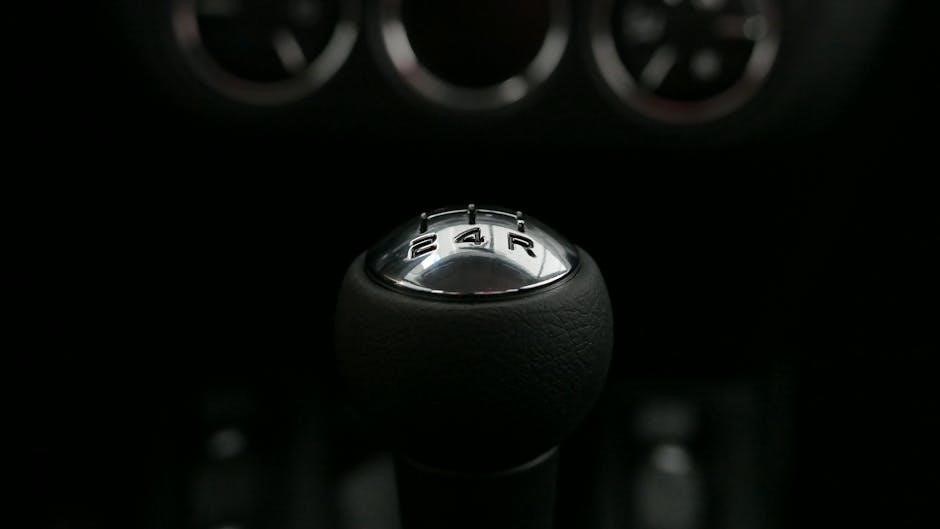
Performance Characteristics of the Manual Colorado
The manual transmission in the Chevy Colorado fundamentally alters the driving experience, offering a more engaging and connected feel․ Acceleration feels more direct, allowing for precise control over engine RPMs․ Drivers appreciate the ability to select the optimal gear for various terrains and driving situations, enhancing both on-road and off-road performance․
The five-speed manual, while offering a satisfying experience, exhibits a wider gear spread compared to modern six-speed transmissions․ This can result in slightly lower fuel economy at highway speeds․ However, the direct connection and driver involvement often outweigh this minor drawback for enthusiasts․
The V6 engine paired with the manual provides ample power and torque, making the Colorado capable of towing and hauling․ Overall, the manual Colorado delivers a raw and visceral driving experience, appealing to those who prioritize driver engagement over convenience․
Comparison to Automatic Transmission Models
Compared to automatic transmission Colorado models, the manual versions offer a distinctly different driving experience․ Automatics prioritize convenience and ease of use, providing smoother shifts and requiring less driver input․ However, this comes at the cost of driver engagement and control․
Automatic Colorados generally achieve slightly better fuel economy in typical driving scenarios due to consistently optimized gear selection․ They also offer quicker acceleration in some situations, leveraging the transmission’s ability to shift rapidly․ However, the manual transmission allows the driver to maintain control over engine braking and power delivery․
The manual Colorado appeals to drivers who enjoy a more involved driving experience, while the automatic caters to those seeking simplicity and convenience․ The choice ultimately depends on individual preferences and driving needs, with both options offering capable performance․
Resale Value of Manual Transmission Colorados
The resale value of Chevy Colorado models equipped with a manual transmission presents a fascinating dynamic in the used car market․ Initially, manual Colorados didn’t necessarily command a significant premium over their automatic counterparts․ However, as the years pass and manual transmissions become increasingly rare in pickup trucks, their desirability – and consequently, their value – has begun to climb․

Currently, well-maintained manual Colorados, particularly those from the 2015-2018 model years, often fetch a higher price than comparable automatic models․ This is driven by a growing enthusiast base actively seeking these increasingly scarce vehicles․ Condition, mileage, and overall maintenance history remain crucial factors influencing resale value․
Expect to see a continued upward trend in the value of manual Colorado pickups, especially as demand outstrips supply․ Collectors and driving enthusiasts are willing to pay a premium for the unique driving experience a manual transmission provides, making these trucks a potentially sound investment․
Current Market Trends and Pricing
The current market for used Chevy Colorados with manual transmissions is characterized by increasing demand and limited supply, directly impacting pricing․ As of late 2025, finding a well-maintained manual Colorado requires patience and diligent searching across online marketplaces and dealerships․
Pricing varies significantly based on model year, engine configuration (V6 models generally command higher prices), mileage, and overall condition․ Generally, expect to pay a premium of $1,000 to $3,000 over comparable automatic models․ 2015-2018 models in good condition are typically listed between $18,000 and $28,000, depending on the factors mentioned․
Trends indicate a continued rise in prices as the enthusiast community actively seeks these rare trucks․ Location also plays a role, with higher demand in regions where manual transmissions are more popular․ Prospective buyers should be prepared to act quickly when a suitable vehicle appears, as they tend to sell rapidly․
Future Prospects: Will a Manual Return?
The possibility of a manual transmission returning to the Chevy Colorado lineup remains uncertain, but a resurgence isn’t entirely out of the question․ Despite the broader automotive industry’s shift away from manual transmissions, a dedicated enthusiast base continues to express strong demand for them, particularly in trucks․
General Motors’ recent focus on performance and driver engagement in some models suggests a potential openness to offering manual options in the future․ However, factors like low take rates in the past and the complexity of integrating a manual transmission into modern vehicle architectures pose significant challenges․
A limited-edition or special-trim Colorado with a manual transmission could be a viable strategy, catering specifically to enthusiasts without requiring a large-scale production commitment․ Ultimately, a return hinges on market research, consumer feedback, and a willingness from GM to embrace a niche but passionate segment of buyers․