
Celtic Knotwork Tutorial: A Comprehensive Guide
Embark on a journey into the captivating world of Celtic knotwork! This comprehensive tutorial unveils ancient artistry, guiding beginners through foundational methods and advanced techniques․
Discover step-by-step instructions, from basic frameworks and grid utilization to intricate knot drawing, including the Triquetra, Shield Knot, and Love Knot․
Explore resources, avoid common pitfalls, and unlock the secrets to creating stunning, seamless Celtic designs, inspired by centuries of tradition and artistic expression․
Celtic knotwork, a visual expression of interconnectedness, represents eternity, faith, and the cyclical nature of life․ These intricate designs, deeply rooted in Celtic art and spirituality, are far from merely decorative; they embody profound symbolism․
Historically, these knots adorned illuminated manuscripts like the Book of Kells, high crosses, and metalwork, showcasing the skill and artistry of Celtic craftspeople․ Contrary to popular belief, Celtic knotwork isn’t necessarily tied to pagan beliefs, but rather flourished during the early Christian period in the British Isles․
For beginners, the initial perception of complexity can be daunting․ However, the core principles are surprisingly accessible․ Understanding the ‘over-under’ weaving technique is fundamental, and many knots are built upon simple, repeating patterns․ This tutorial demystifies the process, breaking down intricate designs into manageable steps, proving that anyone can learn to draw these beautiful symbols․
Historical Significance of Celtic Knots
Celtic knots boast a rich history, predating Christianity but flourishing alongside it in the British Isles․ While their exact origins remain debated, evidence suggests influences from Roman art and Coptic designs․ However, Celtic artists uniquely adapted and evolved these influences into the distinctive interwoven patterns we recognize today․

The most iconic examples are found in illuminated manuscripts, notably the 8th-century Book of Kells, showcasing incredibly detailed knotwork adorning biblical texts․ These knots weren’t simply ornamentation; they served to emphasize the sacredness of the words and images․ They also appeared on monumental stone crosses, acting as visual sermons for a largely illiterate population․
Beyond religious contexts, Celtic knots decorated metalwork – jewelry, weaponry, and everyday objects – signifying status and belief․ The enduring appeal of these designs speaks to their powerful symbolism and the skill of the artisans who created them, leaving a lasting legacy in art history․
The Core Principles of Celtic Knot Design
At the heart of Celtic knotwork lies the fundamental “over-under” principle – a continuous line weaving seamlessly above and below itself․ This creates the illusion of an endless path, symbolizing eternity and interconnectedness․ Understanding this interplay is crucial for successful knot construction․
Grids are often employed as a foundational framework, providing structure and ensuring symmetry․ These grids act as guidelines for placing the interwoven strands, helping to maintain consistent spacing and proportions․ Precise notching and joining of lines are also key elements․
Importantly, Celtic knots aren’t about depicting objects; they are the design․ The focus is on the flowing line and the intricate relationships it creates․ Mastering the ability to visualize and execute this continuous flow is the core skill in Celtic knot design, demanding patience and practice․

Essential Tools and Materials
Begin your Celtic knotwork journey with quality paper, pencils, rulers, and erasers․ Digital artists can leverage software for precision and experimentation with designs․
Paper and Pencils: Choosing the Right Supplies
Selecting the appropriate paper and pencils is crucial for a fulfilling Celtic knotwork experience․ For initial sketches and practice, standard printer paper suffices, allowing for rapid iteration of designs․ However, as your skills develop, consider investing in smoother, heavier-weight papers – such as Bristol board – to accommodate finer details and prevent bleed-through from ink or darker pencil grades․
Pencil hardness plays a significant role․ A range of pencils, from 2H (hard, light lines) to 2B (soft, dark lines), provides versatility․ Begin with a 2H or HB for constructing the foundational grid and light sketches, then transition to a 2B or even 4B for defining the knotwork and adding shading․ Mechanical pencils offer consistent line width, ideal for intricate patterns․ Don’t underestimate the value of a good eraser – a kneaded eraser is particularly useful for lifting graphite without damaging the paper’s surface․
Experiment with different paper textures and pencil grades to discover what best suits your personal style and the desired aesthetic of your Celtic knots;
Rulers, Erasers, and Other Helpful Tools
Beyond paper and pencils, several tools significantly enhance the Celtic knotwork process․ A clear, accurate ruler – preferably metal – is indispensable for constructing precise grids, ensuring symmetry and proportional accuracy in your designs․ A set square can aid in creating perfect right angles, vital for many knot structures․
Erasers are not one-size-fits-all․ While standard pink erasers work, a kneaded eraser excels at lifting graphite gently, preserving paper texture․ Vinyl or plastic erasers are effective for complete removal of lines․ A pencil sharpener, maintaining a consistent point, is also essential․
Consider a compass for creating circular motifs or spirals․ Tracing paper allows for transferring designs or experimenting with variations․ Finally, a light box can be incredibly helpful for refining complex knots by layering and tracing lines․ These tools, combined with patience, will elevate your knotwork creations․
Digital Tools for Celtic Knot Creation
While traditional methods are foundational, digital tools offer exciting possibilities for Celtic knotwork․ Vector graphics software, like Adobe Illustrator or Inkscape (a free alternative), provides precision and scalability․ These programs allow for easy manipulation of lines and shapes, facilitating complex interwoven patterns․
Raster-based software, such as Photoshop, is suitable for adding textures, shading, and color to your knots․ Digital tablets, paired with styluses, mimic the feel of traditional drawing, offering greater control and nuance․ Specialized knot design software exists, automating some aspects of the process, though often with limitations․
Online tutorials and resources demonstrate digital techniques․ Experimenting with different brushes and effects can create unique visual styles․ Remember to save your work frequently and explore the undo function – a digital artist’s best friend! Digital tools expand creative horizons, complementing traditional skills․
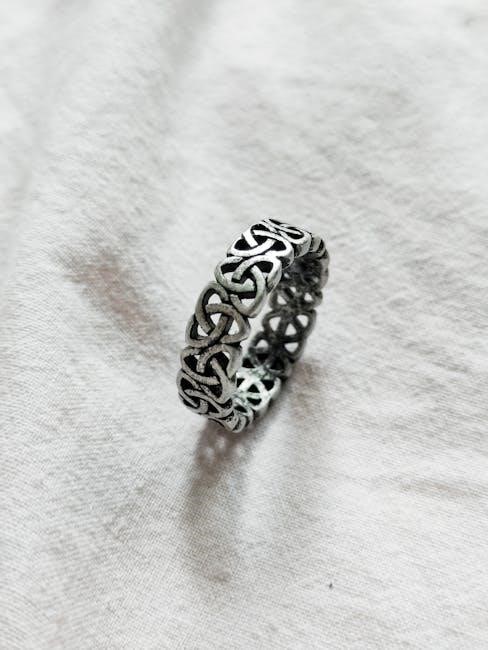
Basic Knot Structures: Building Blocks
Mastering fundamental structures is key! Begin with the over-under principle, then explore single strand knots, and progress to the iconic Triquetra – essential building blocks․
Understanding the Over-Under Principle
The core of Celtic knotwork lies in the deceptively simple “over-under” principle․ This foundational concept dictates how strands visually interact, creating the illusion of continuous loops․ Essentially, each strand alternates passing over and under adjacent strands, establishing the interwoven pattern characteristic of Celtic designs․
Initially, visualizing this can be challenging, but practice makes perfect․ Think of it as a weaving process; one strand goes above, the next goes below, and this repeats consistently․ Crucially, maintaining this alternating pattern is vital for achieving a genuine Celtic knot appearance․ Beginners often struggle with consistency, leading to breaks or awkward intersections in the design․
To aid understanding, start with simple grids and trace the path of a single strand, consciously noting each “over” and “under” passage․ Focus on maintaining a rhythmic flow, ensuring no strand abruptly changes its relationship to its neighbors․ This principle isn’t merely a visual rule; it’s the structural basis upon which all more complex Celtic knots are built, so mastering it is paramount․
The Single Strand Knot: A Beginner’s First Step
For those new to Celtic knotwork, the single strand knot serves as an ideal starting point․ It introduces the fundamental “over-under” principle in its most basic form, building confidence and spatial reasoning skills․ Unlike more complex knots, it requires minimal pre-planning and focuses solely on executing consistent strand weaving․
Begin by drawing a simple, closed loop․ Then, introduce a second strand that weaves in and out of the first, consistently alternating over and under․ The key is to maintain equal spacing and smooth curves throughout the process․ Avoid sharp angles or abrupt changes in direction, as these detract from the knot’s flowing aesthetic․
Practice creating multiple single strand knots, varying their size and orientation․ Experiment with different line weights to add visual interest․ This exercise isn’t about creating a stunning design; it’s about internalizing the core mechanics of knot construction, preparing you for more intricate patterns․ It’s a foundational step towards unlocking the beauty of Celtic art․
The Triquetra Knot: Step-by-Step Tutorial
The Triquetra, a classic Celtic symbol, appears deceptively simple but offers a fantastic learning opportunity․ Start by sketching three overlapping circles, forming a triangular shape․ These circles act as guidelines, defining the knot’s boundaries and flow․
Next, begin tracing over alternating dots along the circles’ intersections, following the line of the knot․ Focus on maintaining a consistent width for your lines, creating a smooth, unbroken weave․ Remember to alternate which strand passes over and under at each intersection – this is crucial for the knot’s integrity․
Close the gaps by carefully connecting the ends of each strand, ensuring a continuous loop․ Refine your lines, erasing any unnecessary guidelines․ Experiment with shading or coloring to enhance the Triquetra’s visual impact․ This knot beautifully illustrates the interplay of continuity and intersection central to Celtic design․

Intermediate Knot Techniques
Elevate your skills with techniques like creating the Shield Knot and Love Knot, developing interwoven patterns, and mastering more complex designs for artistic expression․
Creating the Shield Knot: A Detailed Guide
Begin by establishing a grid, crucial for maintaining symmetry in this four-loop, single-strand knot․ Carefully draw notches, then join them, forming the initial framework․ This foundational step dictates the knot’s overall shape and balance․
Next, trace over alternating dots, meticulously following the line of the knot, starting at the lower left intersection․ Focus on consistent over-under weaving, the core principle of Celtic knotwork․ Ensure each strand passes correctly, creating the illusion of continuous flow․
Gradually close the gaps, refining the lines and smoothing transitions․ Pay attention to the intersections, ensuring clean and defined crossings․ Practice makes perfect; don’t be discouraged by initial attempts․ Refer to visual guides and video demonstrations for clarity․ Finally, erase the grid lines, revealing the completed Shield Knot, a powerful symbol in Celtic art!
Drawing the Love Knot (Celtic Heart Knot)
Start with a foundational heart shape, lightly sketched as a guide․ This provides the overall form for the interwoven knot․ Then, introduce the over-under weaving pattern, essential to all Celtic knots, within the heart’s boundaries․
Focus on creating a continuous, flowing line that loops and intertwines․ Carefully trace the path, ensuring each strand passes alternately over and under its neighbors․ Maintain consistent line weight for a polished appearance․ Remember, patience is key; this knot requires precision․
Gradually refine the shape, smoothing curves and defining intersections․ Erase any unnecessary guidelines, revealing the completed Love Knot․ Consider adding subtle shading to enhance depth and dimension․ This beautiful knot symbolizes enduring affection and interconnectedness, a timeless expression of Celtic artistry․
Developing More Complex Interwoven Patterns
Transitioning beyond basic knots involves layering and combining elements․ Begin by establishing a grid system for precise control and symmetry, crucial for intricate designs․ Introduce multiple strands, carefully weaving them over and under each other, building complexity gradually․
Experiment with varying strand widths and incorporating directional changes to create visual interest․ Pay close attention to intersections, ensuring clean and consistent transitions․ Utilize mirroring and repetition to achieve balanced compositions․ Don’t be afraid to sketch multiple iterations before finalizing your design․
Consider adding subtle curves or spirals to soften the geometric structure․ Remember, complex patterns are built upon a foundation of fundamental principles; mastery of these is essential for successful interwoven designs․ Practice consistently to refine your technique and unlock your creative potential․
Advanced Celtic Knotwork
Elevate your artistry with depth, dimension, and intricate motifs! Explore seamless borders, frames, and spirals, mastering techniques for truly captivating Celtic designs․
Adding Depth and Dimension to Your Knots
Transform flat Celtic knots into visually striking designs by incorporating techniques that simulate depth and dimension․ Begin by carefully observing how light and shadow interact with interwoven strands․ Subtle shading along the undersides of strands creates the illusion of elevation, making the knot appear to lift off the page․
Experiment with varying line weights; bolder lines for strands appearing closer and thinner lines for those receding into the background․ This contrast enhances the three-dimensional effect․ Consider adding subtle highlights to the upper surfaces of the strands to further accentuate the light source․
Layering is another powerful technique․ Overlapping strands strategically can create a sense of complexity and depth․ Don’t be afraid to introduce slight variations in the width of the strands themselves, mimicking the natural imperfections found in traditional Celtic artwork․ Remember, the goal is to create a believable illusion of form, adding a new level of sophistication to your knotwork․
Incorporating Spirals and Other Motifs
Elevate your Celtic knotwork beyond basic interweaving by skillfully integrating spirals and complementary motifs․ Spirals, a prominent feature in Celtic art, add dynamic movement and visual interest․ Begin by carefully planning their placement, ensuring they flow naturally within the knot structure, rather than appearing as afterthoughts․
Consider incorporating other traditional Celtic symbols, such as key patterns or animal forms, to enrich the narrative of your design․ These motifs can be interwoven with the knots or placed strategically around them, creating a harmonious composition․ Experiment with different sizes and orientations of the spirals and motifs to achieve balance and visual appeal․
Remember to maintain the core principles of Celtic knotwork – the continuous, unbroken lines – even when introducing these additional elements․ Subtle integration is key; the motifs should enhance, not overwhelm, the underlying knot structure, resulting in a captivating and meaningful artwork․
Creating Seamless Knotwork Borders and Frames
Transform your Celtic knot designs into captivating borders and frames by extending the interwoven patterns outwards․ The key to seamless integration lies in mirroring and repeating knot elements, ensuring a continuous flow around the perimeter of your artwork․ Begin by establishing a consistent width for your border, then carefully plan the placement of the initial knot sections․
Utilize corner elements that smoothly transition between adjacent sides, avoiding abrupt stops or awkward junctions․ Consider incorporating variations in knot complexity to add visual interest, while maintaining overall harmony․ Experiment with different knot structures – single strands, triquetras, or shield knots – to create unique and personalized frames․
Remember to maintain consistent spacing and line weight throughout the border, ensuring a polished and professional finish․ Seamless knotwork borders not only enhance the aesthetic appeal but also serve to contain and emphasize the central design․

Tips and Tricks for Successful Knotwork
Master grids for precision, avoid common errors like inconsistent line weight, and seek inspiration from diverse resources to elevate your Celtic knotwork artistry!

Using Grids for Accuracy and Symmetry
Establishing a grid is paramount for achieving accuracy and visual harmony in Celtic knotwork․ Begin by lightly sketching a square or rectangular grid on your paper, ensuring consistent spacing between lines․ This framework acts as a guide, providing structural support for your interwoven designs․
Utilize the grid intersections as anchor points for your knot strands, meticulously following the over-under principle․ The grid helps maintain symmetry, preventing distortions and ensuring a balanced composition․ When tracing over alternating dots, adhere strictly to the grid lines․
Experiment with different grid sizes and orientations to explore various knot patterns and complexities․ A finer grid allows for more intricate details, while a coarser grid suits bolder, simpler designs․ Remember, the grid is a tool – don’t be afraid to adapt it to your creative vision, but always prioritize its role in maintaining structural integrity and visual appeal․
Common Mistakes to Avoid

Many beginners find Celtic knotwork intimidating, but avoiding common pitfalls simplifies the process․ A frequent error is inconsistent strand width – maintain uniform line thickness throughout your design for visual balance․ Neglecting the over-under principle leads to tangled, unresolved knots; carefully track each strand’s path․
Another mistake is rushing the initial framework․ A poorly constructed grid compromises accuracy and symmetry․ Don’t be afraid to erase and redraw sections until they align perfectly․ Ignoring negative space can also clutter the design; allow breathing room between strands․
Finally, avoid overly complex patterns before mastering basic techniques․ Start with single-strand knots and gradually increase complexity․ Remember, patience and precision are key; Celtic knotwork rewards meticulous attention to detail and a willingness to learn from mistakes․
Resources for Further Learning and Inspiration
To deepen your understanding of Celtic knotwork, explore online tutorials and video demonstrations․ Numerous artists share their techniques, offering step-by-step guidance for various knot structures․ Websites dedicated to Celtic art provide galleries of inspiring designs and historical context․
Consider investing in books specifically focused on Celtic knotwork; these often contain detailed diagrams and advanced pattern ideas․ Online communities and forums connect artists, fostering collaboration and knowledge sharing․ Don’t overlook the wealth of inspiration found in historical artifacts – examine illuminated manuscripts and ancient stone carvings․
Experiment with different mediums and styles to develop your unique artistic voice․ Remember, continuous practice and exploration are essential for mastering this beautiful and intricate art form․