
Navigating the world of angling requires understanding rod lengths, crucial for casting, control, and sensitivity․ This guide explores optimal lengths
for diverse fishing scenarios, from tranquil trout streams to expansive surf beaches, ensuring successful catches․
Embarking on a fishing journey necessitates a foundational understanding of fishing pole lengths․ These lengths aren’t arbitrary; they profoundly influence casting distance, accuracy, line control, and the angler’s overall sensitivity to subtle bites․ A shorter rod excels in tight spaces, offering precision, while a longer rod generates greater casting power for reaching distant targets․
The ideal length is intrinsically linked to the target species, fishing environment, and chosen technique․ For instance, surf fishing demands extended rods to overcome breaking waves and reach offshore fish, whereas delicate trout fishing in streams benefits from shorter, more manageable poles․ Considering factors like lure weight and line type further refines the selection process․ Choosing the correct length dramatically enhances your fishing experience and increases your chances of landing a prized catch․
Why Pole Length Matters
Fishing pole length isn’t merely a matter of preference; it’s a critical factor impacting several key aspects of angling success․ Length directly correlates to leverage, influencing casting distance and power․ Longer rods amplify casting energy, propelling lures further, while shorter rods prioritize accuracy and control, especially in confined areas․
Furthermore, rod length affects line control, enabling anglers to manage slack and maintain consistent contact with their bait or lure․ This sensitivity is crucial for detecting subtle strikes, particularly when targeting wary fish․ A longer rod also provides a higher rod tip trajectory, aiding in clearing obstacles during casting․ Ultimately, selecting the appropriate length optimizes your ability to present lures effectively, detect bites promptly, and fight fish efficiently, transforming a challenging outing into a rewarding experience․
Impact of Length on Casting Distance
Generally, longer fishing rods facilitate greater casting distances due to the increased leverage they provide․ This mechanical advantage allows anglers to generate more power during the cast, transferring energy efficiently to the line and lure․ Think of it as a longer lever arm – a small input force results in a larger output at the lure’s tip․
However, casting distance isn’t solely determined by length․ Rod action, line weight, lure weight, and casting technique all play significant roles․ A fast-action rod, paired with a heavier lure, will maximize distance with a longer rod․ Conversely, a slower-action rod might require a shorter length for optimal control․ Therefore, while length is a primary factor, it’s essential to consider the interplay of these variables to achieve maximum casting performance․ Understanding this synergy unlocks the potential for reaching distant fishing spots and covering more water․
Length and Line Control
Fishing rod length significantly impacts an angler’s ability to control the line during casting, retrieval, and fighting a fish․ Longer rods offer superior line control, particularly when managing slack or maintaining a tight line during long casts․ This is crucial for detecting subtle strikes and setting the hook effectively at a distance․

Shorter rods, conversely, provide more direct control and responsiveness, ideal for precise presentations and maneuvering lures in tight spaces․ They excel in situations demanding quick reactions, like jigging or working lures around structure․ The length influences the arc of the rod, affecting how much line is taken up or released with each movement․ Mastering line control is paramount for successful angling, and selecting the appropriate rod length is a key component of achieving that mastery․ It’s a balance between reach and finesse․
Length and Sensitivity
A fishing rod’s length directly correlates to its sensitivity, influencing an angler’s ability to detect subtle bites and understand bottom composition․ Longer rods generally offer increased sensitivity because of the greater leverage and bending capacity․ This allows anglers to feel even the faintest nibbles, especially when targeting wary fish or fishing in deep water․
However, sensitivity isn’t solely determined by length; rod material and construction play vital roles․ Shorter rods, while potentially less sensitive overall, can provide a more direct and amplified feel for what’s happening at the lure․ The length affects how vibrations travel along the rod blank, impacting the clarity of the feedback received․ Choosing a length that balances sensitivity with the specific fishing conditions and target species is essential for maximizing strike detection and overall angling success․
Fishing Pole Lengths by Fishing Type
Selecting the appropriate rod length is paramount, varying significantly based on the targeted species and fishing environment․ Different techniques demand specific lengths to optimize casting distance, accuracy, and control․ For instance, bass fishing utilizes a broad spectrum, from shorter rods for close-quarters casting to longer options for covering expansive water․
Trout fishing often favors moderate lengths, adapting to both stream and lake conditions․ Surf fishing necessitates extended rods to overcome breaking waves and reach distant schools of fish․ Catfish anglers benefit from lengths suited to bank or boat fishing, balancing power and maneuverability․ Understanding these nuances ensures anglers are equipped with the ideal tool for each fishing pursuit, enhancing their chances of success and enjoyment on the water․
Length for Bass Fishing
Bass fishing presents a diverse range of scenarios, influencing optimal rod length choices․ Generally, lengths fall into three categories, each suited to specific techniques and environments․ Shorter rods, under 6’6″, excel in tight cover like brush and trees, offering precision and control for accurate casts․ They sacrifice some casting distance but prioritize maneuverability․

Medium rods, spanning 6’6″ to 7’3″, represent a versatile all-around option, balancing casting distance with accuracy and sensitivity․ These are ideal for various techniques, including crankbaits, spinnerbaits, and Texas rigs․ Longer rods, 7’3″ and up, maximize casting distance, beneficial for covering large areas or targeting bass holding in deeper water․ Choosing the right length depends on the angler’s preferred techniques and the specific fishing conditions․
Bass Fishing, Shorter Rods (Under 6’6″)
Shorter bass rods, typically under 6’6″, are champions of accuracy and control in confined spaces․ Their compact size allows for precise casts under overhanging branches, within dense vegetation, or around submerged timber – areas where longer rods simply won’t maneuver․ This makes them invaluable for techniques like flipping and pitching, where pinpoint accuracy is paramount․
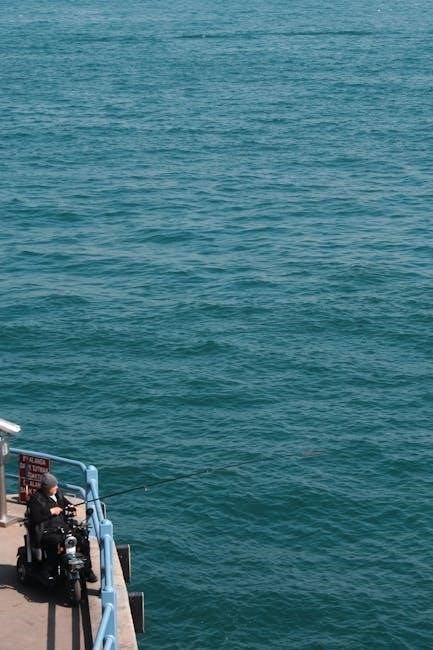
While they sacrifice some casting distance compared to their longer counterparts, the enhanced control significantly increases hookup rates in challenging environments․ These rods excel with lighter line and lures, offering increased sensitivity for detecting subtle strikes․ They are a favorite among anglers targeting bass in heavily pressured waters or those who prioritize finesse presentations․ A shorter rod truly shines when precision is key․
Bass Fishing — Medium Rods (6’6″ ⸺ 7’3″)
The 6’6″ to 7’3″ range represents the sweet spot for all-around bass fishing versatility․ These medium-length rods strike a harmonious balance between casting distance, accuracy, and control, making them suitable for a wide array of techniques and presentations․ They handle crankbaits, spinnerbaits, and jigs with ease, offering the power needed for solid hooksets and fighting larger bass․
Anglers appreciate their ability to effectively cast a variety of lure weights, adapting to changing conditions and fish behavior․ They provide a good compromise for both beginners and experienced bass fishermen․ These rods are particularly effective when fishing from boats, offering ample leverage for casting and retrieving․ A medium-length rod is a reliable workhorse, capable of handling most bass fishing situations with confidence․
Bass Fishing — Longer Rods (7’3″ and Up)
Rods exceeding 7’3″ in length excel in specific bass fishing applications demanding extended casting distance and enhanced lure control․ These longer lengths are particularly favored for techniques like Texas rigging, Carolina rigging, and flipping/pitching into heavy cover․ The added length provides superior leverage for setting the hook at a distance and maneuvering fish away from obstructions․
Longer rods also shine when targeting bass in deeper water or covering expansive areas․ They facilitate longer, more accurate casts, maximizing your search area․ They are often preferred by anglers fishing from the bank, compensating for limited casting space․ However, these rods can be less sensitive for detecting subtle bites and may require more practice to master due to their increased length and weight․ Ultimately, they offer a distinct advantage when distance and power are paramount․
Length for Trout Fishing
Selecting the appropriate rod length for trout fishing hinges on the environment and techniques employed․ Generally, trout rods range from 6 to 9 feet, with variations catering to specific scenarios․ For stream and river fishing, where accuracy and delicate presentations are key, rods between 6 and 7 feet are ideal․ These shorter lengths allow for precise casting in tight spaces, maneuvering around obstacles, and maintaining control of the line in swift currents․
Conversely, when fishing larger bodies of water like lakes and reservoirs, longer rods – typically 7’6″ to 9′ – prove advantageous․ The extended length facilitates longer casts, enabling anglers to reach distant feeding trout and cover more water efficiently․ Longer rods also offer improved line control and leverage for setting the hook at a distance․ Ultimately, the best length depends on the specific fishing conditions and personal preference․
Trout Fishing ⸺ Stream/River Rods (6′ ⸺ 7′)
For navigating the intricacies of streams and rivers, a 6 to 7-foot trout rod is a superb choice․ These shorter lengths excel in tight quarters, offering the angler enhanced control and accuracy when presenting flies or lures to wary trout․ The reduced length minimizes casting interference with overhanging branches and vegetation, a common challenge in these environments․
These rods typically feature moderate to fast action, providing a balance between casting distance and sensitivity․ This allows for delicate presentations, crucial for fooling trout in clear, shallow water․ Shorter rods also facilitate roll casting and other specialized techniques often required in confined spaces․ They are particularly effective when targeting trout holding close to cover, enabling precise lure placement․ Ultimately, a 6-7 foot rod empowers anglers to confidently tackle the challenges of stream and river trout fishing․
Trout Fishing, Lake/Reservoir Rods (7’6″, 9′)
When targeting trout in expansive lakes and reservoirs, rods ranging from 7’6” to 9’ provide a significant advantage․ These longer lengths are designed to cast further, covering more water and reaching trout holding at a distance․ The increased length also aids in line control, essential when dealing with wind or currents common on larger bodies of water․
Rods in this range often feature moderate to fast action, offering a blend of casting power and sensitivity․ This allows anglers to effectively present lures or flies at varying depths and distances․ Longer rods also provide better leverage when fighting larger trout, minimizing the risk of losing a hard-won catch․ They are particularly useful when trolling or casting from shore, maximizing casting distance and reach․ Selecting a rod within this length spectrum empowers anglers to effectively explore and conquer the challenges of lake and reservoir trout fishing․
Length for Surf Fishing
Surf fishing demands specialized rod lengths to conquer the challenges of casting beyond breaking waves․ Typically, rods between 9’ and 12’ are employed for beach casting, providing the necessary leverage and power to deliver baits and lures to distant fish-holding areas․ These extended lengths compensate for the energy lost battling wind and wave action․
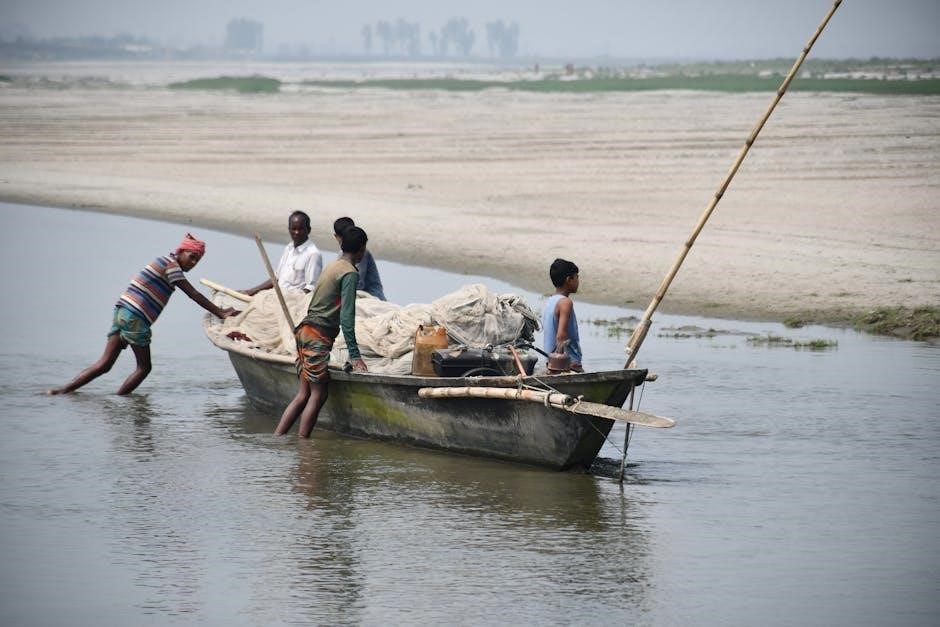
For pier fishing, slightly shorter rods, around 7’ to 9’, offer greater maneuverability and control within the confined space․ Longer surf rods can be unwieldy on a pier․ Rods designed for surf fishing often feature robust construction and powerful actions, capable of handling heavy weights and battling strong currents․ Fuji guides and reel seats are common features, enhancing durability and performance․ Choosing the appropriate length is crucial for maximizing casting distance, maintaining line control, and successfully landing fish in the surf zone․

Surf Fishing, Beach Rods (9′, 12′)
Beach rods, ranging from 9 to 12 feet in length, are the workhorses of surf fishing, designed for long-distance casting from sandy shores․ This extended length provides the necessary leverage to overcome wind resistance and propel baits beyond the breaking waves, reaching fish holding in deeper channels․ These rods typically feature moderate to fast actions, allowing for efficient energy transfer during the cast and providing sufficient backbone to handle larger species like striped bass, bluefish, and sharks․
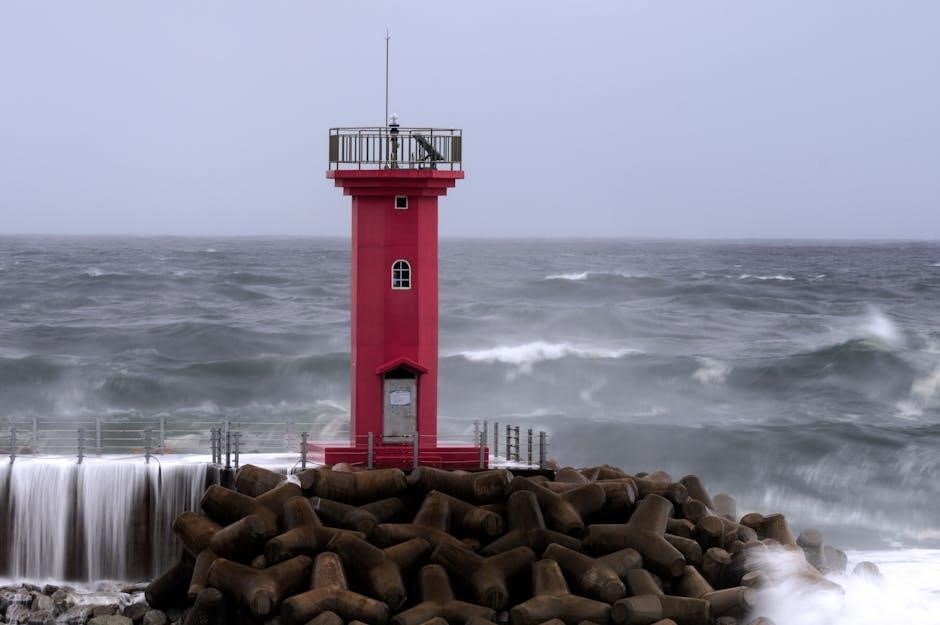
Look for rods with high lure weight ratings (often 10-45g or higher) to accommodate heavier sinkers needed for maintaining bottom contact in strong currents․ Quality components, such as Fuji guides and reel seats, are essential for durability and smooth line flow․ Beach rods are often constructed from graphite or composite materials, balancing sensitivity with strength․ Proper rod length selection is vital for maximizing casting distance and effectiveness in surf conditions․
Surf Fishing ⸺ Pier Rods (7′ ⸺ 9′)
Pier fishing demands a different approach than beach casting, and rod length reflects this; Rods between 7 and 9 feet are ideal for pier scenarios, offering a balance of casting distance and maneuverability within the confined space․ Unlike the expansive beach, pier anglers often target fish closer to the structure, reducing the need for extreme casting range․ These rods generally possess moderate action, providing sensitivity for detecting subtle bites and sufficient power to control fish around pilings and other obstacles․

Pier rods often handle a variety of presentations, from bottom fishing with heavier weights to casting lures for active species․ Look for rods with versatile lure weight ratings (around 10-30g) to accommodate different techniques․ Durable construction is key, as piers can be hard on equipment․ Fuji guides and reel seats enhance performance and longevity․ A shorter rod length improves control and reduces fatigue during extended fishing sessions on the pier․
Length for Catfish Fishing
Catfish fishing requires rods capable of handling significant weight and powerful fish․ Length selection depends heavily on the fishing environment – bank versus boat․ Generally, catfish rods fall within the 6’6” to 8’ range, prioritizing power and sensitivity over extreme casting distance․ Bank fishing often benefits from longer rods (7’ ⸺ 8’), providing leverage for casting heavier rigs and lifting fish from the bank․ These rods need substantial backbone to control large catfish in current or around structure․
Boat fishing allows for shorter rods (6’6” ⸺ 7’6”), as the angler has more maneuverability and can use the boat to their advantage․ Shorter rods offer increased sensitivity for detecting subtle bites, crucial when catfish are feeding cautiously․ Regardless of length, catfish rods should have a moderate-fast to fast action, enabling solid hooksets․ Consider rods specifically designed for catfish, featuring durable construction and robust components to withstand the strain of battling these powerful fish․
Catfish Fishing — Bank Fishing Rods (7′ ⸺ 8′)
When targeting catfish from the bank, a rod length of 7’ to 8’ provides a significant advantage․ This extended length offers increased casting distance, essential for reaching prime catfish holding areas often further from shore․ The extra leverage aids in lifting fish over obstructions like rocks or vegetation, common challenges when bank fishing․ Bank rods require substantial power to handle heavy sinkers and the weight of a large catfish, especially in rivers with strong currents․
Look for rods with a moderate-fast to fast action, allowing for effective hooksets even at a distance․ A longer handle can also improve leverage during the fight, providing better control․ Durable construction is paramount, as bank fishing often involves rough handling and exposure to the elements․ These rods should be capable of handling line weights of 20-50lb test, depending on the size of catfish expected․ Prioritize a rod that feels comfortable and balanced in hand, enabling extended casting sessions․
Catfish Fishing, Boat Fishing Rods (6’6″ — 7’6″)
For catfish angling from a boat, a rod length between 6’6” and 7’6” strikes an ideal balance between maneuverability and casting power․ The confined space of a boat necessitates a shorter rod to avoid snagging on railings or other equipment․ However, sufficient length remains crucial for effective hooksets and controlling fish alongside the vessel․ Boat rods benefit from a moderate action, providing sensitivity for detecting subtle bites while retaining the backbone to battle larger catfish․
Consider a rod with a comfortable grip and a sensitive tip, allowing you to feel the bottom structure and identify potential catfish haunts․ Line weights in the 15-30lb range are generally suitable, depending on the size of the catfish and the current conditions․ Look for rods designed with quality guides and reel seats, ensuring smooth line flow and secure reel attachment․ A shorter rod also facilitates quicker responses to changing fish locations, maximizing your time on the water․
Pole Length and Lure Weight
The relationship between fishing pole length and lure weight is fundamental to casting accuracy and presentation․ Longer rods generally handle heavier lures more effectively, generating greater casting distance and power․ Conversely, shorter rods excel with lighter lures, offering increased sensitivity and control․ A rod’s power rating, often indicated in grams or ounces, specifies the optimal lure weight range it’s designed to cast․
Exceeding a rod’s lure weight capacity can lead to reduced casting distance, inaccurate casts, and potential rod damage․ Using lures that are too light may result in poor casting performance and a lack of lure action․ Matching lure weight to rod length and power ensures optimal casting efficiency and a natural lure presentation․ Consider the fishing technique; jigging often requires heavier lures, while finesse techniques benefit from lighter presentations․ Always consult the rod’s specifications for recommended lure weight ranges․
Matching Rod Length to Line Weight

Selecting the appropriate line weight for your fishing rod length is crucial for performance and preventing issues like line tangles or rod overload․ Longer rods typically require heavier line weights to manage the increased casting distance and potential strain․ Conversely, shorter rods often pair well with lighter lines, enhancing sensitivity and finesse․ Line weight is usually expressed in pounds or kilograms, indicating its breaking strength․
Using line that’s too heavy for a rod can reduce casting distance and sensitivity, while line that’s too light may break under stress․ Consider the target species and fishing conditions when choosing line weight․ Heavier line is preferable when fishing around structure or for larger fish․ Refer to the rod’s specifications for recommended line weight ranges․ A balanced setup ensures optimal casting, retrieves, and fighting capabilities․ Proper line-to-rod matching maximizes angling efficiency and enjoyment․
Travel Rod Length Considerations
For anglers on the move, travel rods offer convenience without sacrificing performance, but length is a key consideration․ These rods disassemble into multiple sections, typically two to four pieces, reducing their packed size․ Shorter travel rods (under 7 feet) are ideal for airline carry-on restrictions and backpacking trips, prioritizing portability over extreme casting distance․
Longer travel rods (7 feet and above) provide a more traditional fishing experience, offering better casting range and control, but require careful packing․ Multi-piece rods generally offer greater compactness, while two-piece rods often provide enhanced durability and sensitivity․ Consider the target species and fishing techniques when selecting a travel rod length․ Ensure the rod comes with a protective case to prevent damage during transport․ Prioritize quality construction and secure joints for reliable performance on your adventures․
Two-Piece vs․ Multi-Piece Rod Length
The choice between two-piece and multi-piece rods significantly impacts portability and performance․ Two-piece rods generally offer a more robust feel and potentially greater sensitivity due to fewer connection points․ They are excellent for anglers who prioritize a traditional rod action and don’t require extreme compactness․ However, they are less convenient for travel than their multi-piece counterparts․
Multi-piece rods (three or four sections) excel in portability, breaking down to a manageable size for airline travel or backpacking․ While historically, multi-piece rods sacrificed some sensitivity, modern designs minimize this drawback․ The increased number of joints can slightly reduce casting distance and overall power, but the convenience often outweighs these considerations․ Consider the frequency of travel and the importance of a streamlined profile when deciding between these options․ Quality construction is crucial for multi-piece rods to ensure secure and aligned connections․
Understanding Rod Action and Length Relationship
Rod action – the point at which a rod bends under pressure – profoundly interacts with its length, influencing casting distance, lure presentation, and fish-fighting capabilities․ Faster action rods bend primarily near the tip, ideal for quick casts and setting the hook with heavier lures or in windy conditions․ These pair well with shorter lengths for precision and power․
Slower action rods bend more throughout their length, providing greater casting distance with lighter lures and a more forgiving presentation․ Longer rods amplify this effect, enhancing sensitivity and shock absorption during the fight․ Moderate actions offer a balance, suitable for versatile fishing scenarios․ Consider the target species and fishing style: a fast-action, shorter rod excels in bass fishing, while a slow-action, longer rod suits trout fishing․ Matching action and length optimizes performance and angler comfort․
Rod Length and Fish Species
Selecting the appropriate rod length is intrinsically linked to the targeted fish species and their habitat․ Larger, powerful fish like catfish or sharks necessitate longer rods (9-12 feet) to manage powerful runs and provide leverage during the fight․ These lengths also aid in casting heavier weights further distances․
Conversely, smaller, more delicate species like trout often respond better to shorter, more sensitive rods (6-7 feet)․ These lengths offer greater control and accuracy for precise lure presentations in streams and rivers․ Bass fishing benefits from a versatile range (6’6” – 7’3”), adapting to various techniques and cover․ Surf fishing demands exceptionally long rods (9-14 feet) to overcome breaking waves and reach distant feeding zones․ Ultimately, matching rod length to fish size, strength, and environment maximizes angling success․
Choosing the Right Length for Your Skill Level
Beginner anglers often find moderate-length rods (around 7 feet) the most forgiving and versatile․ These provide a balance between casting distance, control, and ease of handling, minimizing frustration during the learning curve․ Shorter rods can be easier to manage for those new to casting techniques․
As skill progresses, experimenting with different lengths becomes beneficial․ Experienced anglers can leverage longer rods for increased casting distance and line control, particularly in open water or surf fishing scenarios․ Conversely, shorter rods excel in tight spaces, offering precision and sensitivity for finesse techniques․ Understanding your casting ability and preferred fishing style is paramount․ Don’t hesitate to seek advice from experienced anglers or tackle shop professionals to refine your selection and enhance your overall fishing experience․
Common Fishing Pole Length Chart
Here’s a general overview of fishing pole lengths categorized by common applications․ Please remember these are guidelines, and personal preference plays a significant role․
- Bass Fishing: 6’6” – 7’6” (Versatile for various techniques)
- Trout (Streams/Rivers): 6’ – 7’ (Accuracy in confined spaces)
- Trout (Lakes/Reservoirs): 7’6” – 9’ (Longer casts, covering water)
- Surf Fishing: 9’ – 12’ (Distance casting, battling waves)
- Catfish (Bank): 7’ – 8’ (Casting over obstacles)
- Catfish (Boat): 6’6” – 7’6” (Maneuverability in a boat)
- Panfish/Crappie: 5’6” – 6’6” (Lightweight, sensitive)
- Walleye: 6’6” – 7’6” (Jigging, trolling, casting)
Travel rods often come in 4-piece or more configurations, typically around 6’6” to 7’ for portability․ This chart provides a starting point; consider lure weight, line weight, and target species when making your final decision․
Resources for Further Research
Expanding your knowledge of fishing pole lengths requires exploring diverse resources․ Websites like Fishing Australia offer comprehensive guides and how-to articles, covering techniques and species-specific recommendations․ For detailed charts on game and bottom fish, consult their dedicated sections․
Online retailers often feature informative articles and videos demonstrating rod selection․ Examining product descriptions from brands like 13 Fishing can reveal insights into rod action and intended use․ YouTube channels dedicated to fishing provide visual demonstrations of casting and techniques with various rod lengths․
State Fisheries Departments are invaluable for up-to-date regulations regarding bag limits and size restrictions․ Websites dedicated to lure making and jig assembly, like those detailing soft plastic jig construction, can enhance your understanding of tackle compatibility․ Remember to always prioritize responsible angling practices․