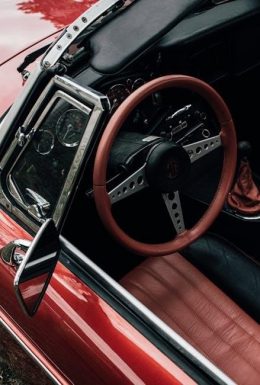
Learning to drive a manual car offers a uniquely engaging experience, demanding coordination and control – a skill honed through dedicated driving lessons.
Mastering this art enhances driver awareness and provides a deeper connection with the vehicle, as emphasized by resources like Stick Shift Driving Academy.
What is a Manual Transmission?
A manual transmission, often called a “stick shift,” fundamentally differs from automatic transmissions by requiring the driver to manually select gears using a gear stick and clutch pedal. Unlike automatics, which handle gear changes independently, a manual system demands direct driver input for controlling engine power and vehicle speed.
Effective driving lessons emphasize understanding this core mechanic. The driver disengages power with the clutch, shifts to the desired gear, and then re-engages power, coordinating footwork and hand movements. This process, while initially challenging, provides greater control and a more connected driving experience, as highlighted in various online tutorials.
Why Learn to Drive a Manual Car?
Embarking on driving lessons for a manual transmission vehicle unlocks several benefits beyond simply operating a car. Mastering a manual fosters heightened driver awareness, demanding constant engagement with the vehicle’s mechanics and the surrounding environment. This focused attention, as noted by driving instructors, translates to safer driving habits.
Furthermore, manual transmissions often offer improved fuel efficiency and a more engaging driving experience. While modern automatics are advanced, the direct control of a manual provides a unique connection, enhancing driving enjoyment and skill, as discussed in online forums.
Pre-Driving Checks and Familiarization
Before starting driving lessons, familiarize yourself with the car’s controls – the gear stick, clutch, and pedals – ensuring a comfortable and safe learning environment.
Understanding the Gear Stick and Shift Pattern
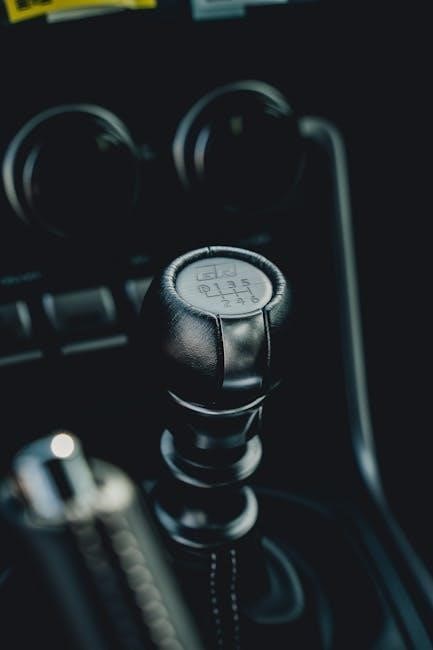
During your driving lessons, a crucial first step is mastering the gear stick and its corresponding shift pattern. Most manual cars follow an ‘H’ pattern, with gears arranged logically for smooth transitions.
Understanding where each gear resides – first, second, third, fourth, fifth, and reverse – is paramount. Practice locating these gears without looking, developing muscle memory.
Instructors will guide you through the process, emphasizing the importance of deliberate and precise movements. Avoid forcing the gear stick; a smooth, controlled motion is key to preventing grinding and ensuring a seamless driving experience.
Locating and Understanding the Clutch Pedal
Essential to driving lessons for manual cars is understanding the clutch pedal – typically the leftmost pedal. Its function is to temporarily disconnect the engine from the wheels, allowing for gear changes.
The clutch operates on a principle of engagement and disengagement. Fully depressing the clutch disengages the engine, while slowly releasing it re-engages power.
Finding the “friction point” – where the engine begins to connect – is vital for smooth starts and gear shifts. Instructors will emphasize controlled release to avoid stalling, a common beginner challenge.
Adjusting Mirrors and Seat Position
Before starting driving lessons in a manual car, proper vehicle setup is crucial. Adjust the seat to comfortably reach all pedals, including the clutch, without straining. Ensure a clear view of the road and instruments.
Mirrors – rearview and side mirrors – must be adjusted to minimize blind spots. A quick glance should provide comprehensive awareness of surroundings.
Instructors stress that focusing on the road is paramount, but quick, efficient mirror checks are essential for safe driving, as highlighted by resources emphasizing situational awareness.
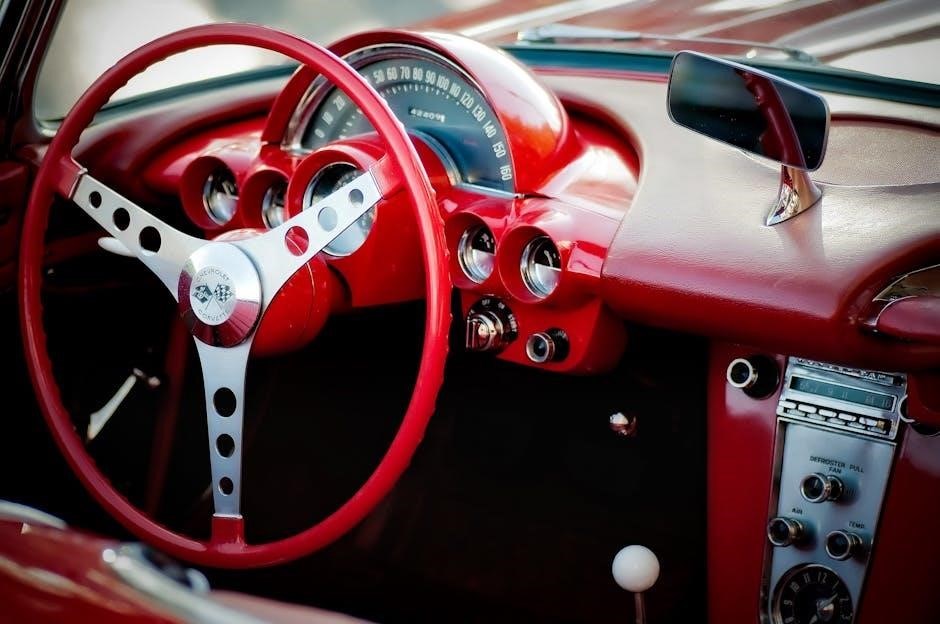
Starting the Engine and Getting Moving
Successful manual car starts involve coordinating the clutch, gas, and ignition – key elements of driving lessons. Smooth engagement prevents stalling, building confidence.
Starting the Engine – A Step-by-Step Guide
Begin your driving lessons by ensuring the parking brake is engaged. Fully depress the clutch pedal – this disengages the engine from the wheels. Shift the gear stick into neutral. Turn the ignition key to start the engine, and once running, maintain a firm hold on the clutch.
Gradually release the clutch while gently pressing the accelerator. Finding this balance is crucial, as highlighted in various tutorials. Avoid releasing the clutch too quickly, which can cause stalling. Practice this sequence repeatedly to develop muscle memory and a smooth start.
Finding the Friction Point
During your driving lessons, identifying the friction point is paramount. Slowly release the clutch pedal while maintaining a steady accelerator input. You’ll feel the engine begin to engage, and the car will subtly attempt to move forward.
This is the friction point – the zone where power transfers. Hold the clutch at this point briefly, feeling for the engine’s response. Mastering this feel, as emphasized in online resources, prevents stalling and enables smooth take-offs. Practice finding it repeatedly in a safe, open area.
Smooth Take-Offs – Avoiding Stalling
Achieving smooth take-offs during driving lessons requires coordinating the clutch and accelerator. Gently release the clutch while simultaneously applying a small amount of gas, remembering the friction point.
Avoid releasing the clutch too quickly, a common cause of stalling. If the engine begins to bog down, add more gas or depress the clutch slightly. Gravel roads, as suggested by experienced drivers, offer a forgiving surface for initial practice, building confidence and minimizing stalling.
Mastering Gear Changes
Effective gear changes, a core component of driving lessons, involve precise timing and coordination, minimizing clutch engagement and maximizing smooth transitions.
Rev matching, often overlooked, is crucial for seamless shifts.
Upshifting – When and How
During driving lessons, upshifting is taught as a response to increasing engine RPMs and vehicle speed. Recognizing the optimal moment – typically around 2500-3000 RPM – is key to efficient driving.
The process involves simultaneously depressing the clutch pedal, moving the gear stick to the next higher gear, and smoothly releasing the clutch while gently applying throttle.
Minimizing clutch time, as highlighted in forum discussions, reduces wear and tear on the transmission.
A smooth upshift prevents jerking and maintains momentum, contributing to a more comfortable and controlled driving experience.
Downshifting – Matching Engine Speed
Effective downshifting, a crucial element of driving lessons for manual cars, requires matching engine speed to the lower gear. This prevents jarring and maintains vehicle control, particularly when slowing down or preparing to accelerate.
The technique involves “rev matching” – briefly increasing engine RPMs using the throttle while the clutch is depressed and the gear stick is moved to a lower gear.
Forums emphasize rev matching as a frequently overlooked, yet vital skill.
Properly executed, downshifting provides engine braking and positions the engine in its power band for responsive acceleration.
Rev Matching Explained
Rev matching, a cornerstone of advanced driving lessons for manual transmissions, synchronizes engine speed with the upcoming gear. This technique, often highlighted in online tutorials, minimizes drivetrain shock during gear changes.
Essentially, it involves blipping the throttle while the clutch is disengaged, raising the RPMs to match the speed the engine will be at in the lower gear.
Forums note it’s often overlooked but incredibly important.
Successful rev matching results in smoother shifts and reduces wear on the clutch and transmission.
Hill Starts and Advanced Techniques
Hill starts require precise coordination, preventing rollback using the handbrake or quick footwork – key skills in driving lessons. Gravel roads aid learning!
Hill Start Assist – If Equipped
Hill Start Assist (HSA) is a valuable feature in some modern manual transmission vehicles, simplifying hill starts for learners during driving lessons. This system momentarily holds the brakes after you release the pedal, providing crucial seconds to move your foot to the accelerator without rolling backward.
While HSA eases the process, it’s vital not to become overly reliant on it. Effective driving lessons should still emphasize mastering the traditional heel-toe or handbrake methods. Understanding these techniques ensures competence even in cars lacking HSA, building a more versatile skillset and confident driving experience.
Manual Hill Starts – Preventing Rollback
Manual hill starts are a core skill in driving lessons, requiring precise coordination to prevent rollback. The key is finding the “friction point” – where the clutch begins to engage – while simultaneously applying throttle. A common technique involves using the handbrake; engage it, find the friction point, then release the handbrake as you accelerate.
Alternatively, quickly transitioning your foot from the brake to the accelerator, maintaining clutch control, can work. Gravel roads, as suggested by Grassroots Motorsports forum users, offer a forgiving environment for practicing this challenging maneuver during initial driving lessons.
Heel-toe downshifting, an advanced technique covered in some driving lessons, smooths gear changes during deceleration. It involves simultaneously braking with the ball of your foot and “blipping” the throttle with your heel – matching engine speed to the lower gear.
This prevents harsh shifts and maintains vehicle stability. While complex, mastering heel-toe, as demonstrated in YouTube tutorials, enhances control. Experienced drivers on forums like CivicX.com emphasize rev-matching as a foundational skill before attempting this technique during advanced driving lessons.
Common Challenges and Troubleshooting
Driving lessons often address stalling and grinding gears, common hurdles for beginners. Patience and practice, especially in a parking lot, build confidence and skill.
Stalling – Causes and Prevention

During driving lessons, stalling is almost inevitable, particularly when learning clutch control. It typically occurs from releasing the clutch too quickly or insufficient throttle input.
A key preventative measure, highlighted in forums like Grassroots Motorsports, is simultaneously applying gas while releasing the clutch.
Finding a gravel or empty parking lot minimizes stress and allows for repeated practice.
Remember, minimizing clutch time, as advised on CivicX.com, also reduces wear and tear on the transmission while preventing stalls.
Consistent practice builds muscle memory and confidence.
Grinding Gears – What to Do
During driving lessons, encountering a grinding gear is common, signaling a mismatch between engine and wheel speed. It happens when attempting to shift without fully disengaging the clutch or selecting the correct gear.
Immediately release the clutch and try again, focusing on a smoother, more deliberate shift.
Rev-matching, a technique emphasized on CivicX.com, helps synchronize speeds, preventing grinding;
Avoid forcing the shift; gentle pressure is key.
Consistent practice and patience are crucial for mastering gear changes.
Dealing with Traffic and Stop-and-Go Situations
Driving lessons should incorporate navigating traffic, a common challenge for new manual drivers. Anticipate stops and downshift proactively to maintain control.
Utilize the handbrake on inclines to prevent rollback during stop-and-go, a technique often taught to beginners.
Minimize clutch use to reduce wear and fatigue, as advised in online forums.
Focus on smooth engagement and disengagement, avoiding jerky movements.
Remember, maintaining awareness of surroundings is paramount, as highlighted by driving academies.
Driving in Different Conditions
Driving lessons must cover adapting to varied conditions – wet roads demand gentler inputs, while city traffic requires quick gear changes and heightened awareness.
Driving in Wet or Slippery Conditions
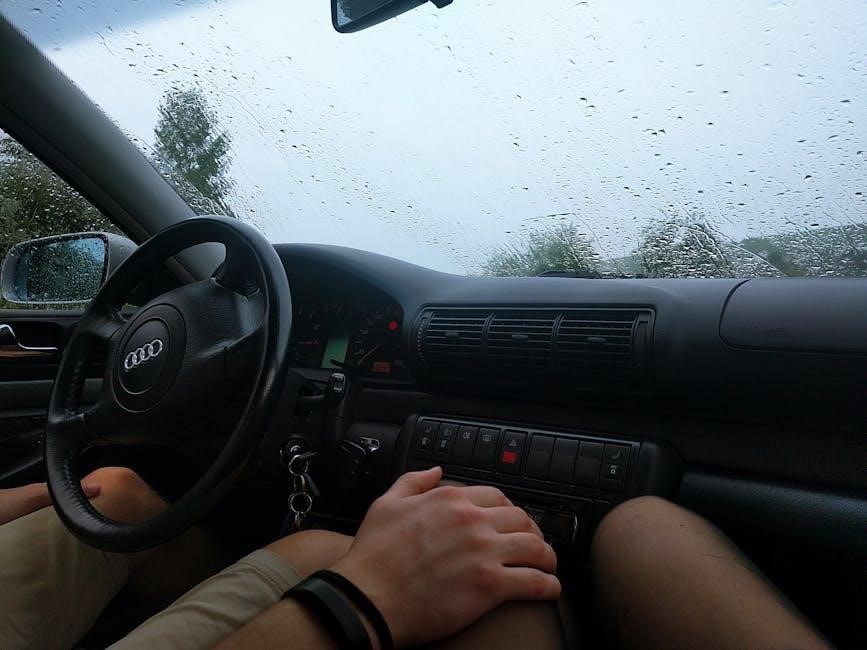
Driving lessons focusing on wet or slippery conditions are crucial for manual transmission drivers. Reduced traction necessitates smoother clutch engagement and gentler acceleration to prevent wheelspin.
Downshifting should be performed with extra care, utilizing rev-matching to maintain stability and avoid upsetting the vehicle’s balance.
Increase following distances significantly, as braking distances are extended. Avoid sudden steering inputs or harsh braking, as these can easily lead to a loss of control. Prioritize slow, deliberate movements and anticipate potential hazards.
Remember, maintaining control is paramount in challenging conditions.
Driving in City Traffic
Driving lessons in city traffic for manual cars emphasize anticipating stops and starts. Frequent gear changes are inevitable, demanding quick and precise footwork with the clutch and gear stick.
Minimize clutch usage to reduce wear and prevent stalling, a common issue for beginners.
Be prepared to hold the car on inclines using the handbrake, avoiding rollback. Maintain awareness of surroundings and anticipate pedestrian and cyclist movements.
Focus on the road, not the gear stick, as advised by driving academies.
Driving on the Highway
Driving lessons for highway manual transmission focus on maintaining consistent speed in higher gears, minimizing gear changes. Smooth upshifts are crucial for efficient cruising, utilizing rev matching techniques learned earlier.
Downshifting for overtaking requires anticipating the need for increased power and matching engine speed.
Be mindful of maintaining a safe following distance and utilizing engine braking when decelerating.
Remember to stay focused on the road, avoiding distractions, as emphasized by safety guidelines.
Maintaining Your Manual Transmission
Driving lessons should cover the importance of clutch care and regular gearbox oil changes to prevent wear and ensure longevity, as highlighted by maintenance guides.
Clutch Wear and Replacement
Effective driving lessons emphasize minimizing clutch usage to prolong its life; excessive “riding” the clutch accelerates wear. Students should learn to fully disengage and re-engage the clutch swiftly.
Understanding how to avoid prolonged partial engagement is crucial. Recognizing signs of clutch wear – slippage during acceleration, difficulty shifting, or a high pedal position – is vital.
Ultimately, clutch replacement is inevitable, and lessons should briefly cover the associated costs and the importance of professional installation for optimal performance and vehicle safety.
Gearbox Oil Changes
Comprehensive driving lessons should briefly touch upon the importance of regular gearbox oil changes for maintaining a smooth and reliable manual transmission. Oil lubricates gears, reducing friction and wear.
Students should understand that neglecting oil changes can lead to costly repairs. Intervals vary by vehicle and driving conditions, but generally, a change every 30,000 to 60,000 miles is recommended.
Learning to recognize signs of degraded oil – noisy operation or difficult shifting – can help prevent transmission damage.
Signs of Transmission Problems
Effective driving lessons should equip students with the knowledge to identify potential transmission issues. Unusual noises – grinding, whining, or clunking – during gear changes are red flags.
Difficulty shifting into specific gears, or gears slipping out of engagement, also indicate problems. A burning smell, or noticeable leaks under the vehicle, warrant immediate attention.
Students should understand these signs and the importance of prompt professional inspection to prevent further damage and costly repairs.
Safety Considerations
Driving lessons emphasize maintaining focus on the road, not the gear stick, avoiding distractions, and mastering emergency stops in a manual vehicle.
Focus on the Road, Not the Gear Stick
Effective driving lessons for manual transmissions consistently stress the paramount importance of prioritizing situational awareness. While learning, glancing at the gear stick is inevitable, but it should be minimized.
Your primary focus must remain on the traffic and the road ahead, as highlighted by Stick Shift Driving Academy. Developing this habit prevents delayed reactions and ensures safer driving.
Constantly monitoring your surroundings, anticipating potential hazards, and maintaining a clear view of the road are crucial skills cultivated during comprehensive manual driving instruction.
Avoiding Distractions
Successful driving lessons for manual cars emphasize minimizing distractions, as the coordination required demands full concentration. New drivers are particularly susceptible to being overwhelmed, making focus critical.
Resist the urge to fiddle with the radio, phone, or engage in conversations that divert attention from the road. Maintaining a calm and focused mindset is essential for smooth gear changes and safe operation.
Prioritize the task at hand – controlling the vehicle – and eliminate any potential disruptions to ensure a positive and secure learning experience during your manual transmission training.
Emergency Stops in a Manual Car
Effective driving lessons must cover emergency stops in a manual transmission vehicle. Immediately depress the clutch and firmly apply the brakes – do not attempt to shift gears during the initial stop.
Steering control is vital; maintain a straight line while braking to avoid swerving. Once stopped, engage the handbrake and select neutral. Practice this maneuver repeatedly in a safe environment.
Remember, prioritizing immediate deceleration over gear selection is paramount in an emergency. This technique ensures the quickest and safest possible stop, a crucial skill learned during manual driving instruction.
Practice and Resources
Consistent practice in a safe, open area is key, alongside utilizing online tutorials and considering professional driving lessons for expert guidance and feedback.
Finding a Suitable Practice Area
Locating an ideal practice space is crucial for building confidence with a manual transmission. A large, empty parking lot, as suggested by Grassroots Motorsports forum users, provides a safe environment free from traffic pressures. Gravel roads can also be beneficial, offering a forgiving surface for initial learning and minimizing stalling consequences.
Prioritize flat surfaces initially, gradually progressing to slight inclines as skill develops. Ensure the area is legally accessible and free from obstructions. Remember, minimizing distractions and focusing solely on mastering the fundamentals is paramount during these early practice sessions.
Utilizing Online Resources and Tutorials
Supplementing in-car lessons with online resources can significantly accelerate learning. YouTube offers comprehensive guides, like those demonstrating rev matching and hill starts, providing visual aids for complex techniques. CivicX.com forums highlight the importance of rev matching, often overlooked by beginners.
These platforms offer diverse perspectives and troubleshooting tips. However, remember that online resources are best used in conjunction with practical, hands-on instruction. They shouldn’t replace professional guidance, but rather enhance understanding and reinforce learned skills.
Professional Driving Lessons
Investing in professional driving lessons tailored to manual transmissions is highly recommended, especially for beginners. A qualified instructor provides personalized guidance, correcting bad habits before they form. They create a safe learning environment, crucial for mastering clutch control and gear changes.
Stick Shift Driving Academy emphasizes focused attention on the road, a skill best developed with expert oversight. Lessons build confidence, addressing anxieties and ensuring a solid foundation in manual driving techniques, far exceeding what online tutorials alone can offer.
Advanced Manual Driving Techniques
Beyond basic operation, advanced lessons cover techniques like power shifting and heel-toe downshifting, enhancing speed and control – skills explored on platforms like YouTube;
Power shifting, an advanced technique often covered in specialized driving lessons, involves upshifting without fully lifting off the accelerator. This minimizes interruption to the power delivery, resulting in quicker acceleration and a smoother driving experience. It requires precise timing and coordination, blending clutch disengagement with simultaneous gear selection and throttle maintenance.
While demanding, mastering power shifting can significantly improve performance, particularly on the track. However, it places increased stress on the drivetrain, so understanding proper execution is crucial, as emphasized by experienced instructors during advanced manual transmission driving courses.
Rev Hang and its Impact
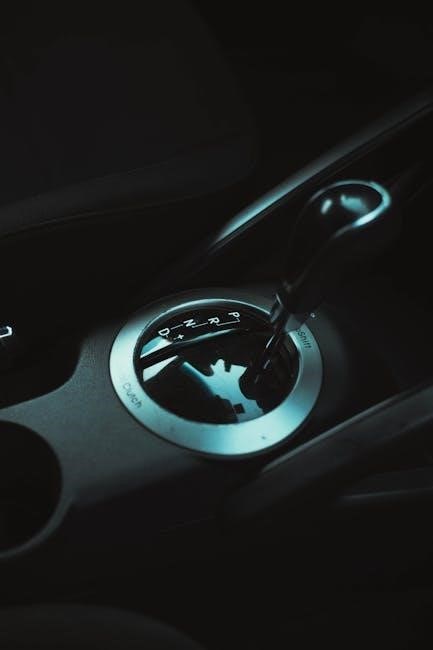
Rev hang, a characteristic of some modern manual transmissions, describes the engine’s reluctance to immediately return to idle upon lifting the throttle. This phenomenon, discussed in forums like CivicX.com, can complicate rev-matching during downshifts, requiring drivers to adjust their timing and technique.
Understanding rev hang is vital in driving lessons, as it impacts smooth gear changes. Minimizing clutch time and anticipating the delayed drop in RPMs are key skills. Experienced instructors will guide students to adapt to this behavior for optimal control.
Mastering a manual transmission unlocks a rewarding driving experience, fostering greater vehicle control and engagement – skills effectively developed through focused driving lessons.
The Rewards of Driving a Manual Car
Successfully completing manual transmission driving lessons yields benefits extending far beyond simply operating a vehicle. Drivers gain heightened awareness of the road and a more profound connection with their car, as emphasized by various online communities.
This skill fosters precision and control, enhancing the overall driving experience. The ability to confidently navigate diverse conditions, from city traffic to open highways, becomes second nature;
Furthermore, mastering a manual transmission can be incredibly satisfying, offering a sense of accomplishment and a deeper understanding of automotive mechanics. It’s a skill that truly elevates driving from a chore to a passion.