
Home health nursing expertly delivers skilled care within a patient’s residence‚ adhering to established agency protocols and state regulations‚ focusing on individualized plans.
These nurses skillfully manage medications‚ provide crucial wound care‚ and meticulously monitor patient recovery‚ offering vital support to both patients and their families.
The role encompasses comprehensive assessments‚ detailed care planning‚ and consistent communication‚ ensuring optimal patient well-being and a seamless healthcare experience.
The Growing Need for In-Home Care
The demand for in-home healthcare is surging‚ driven by several converging factors reshaping the healthcare landscape. An aging population‚ with increasing rates of chronic illnesses‚ is a primary catalyst‚ as seniors often prefer receiving care in the familiar comfort of their homes rather than institutional settings.
Furthermore‚ advancements in medical technology now enable a wider range of treatments and therapies to be safely and effectively administered at home‚ reducing the necessity for frequent hospital visits. Post-surgical recovery and management of long-term conditions are increasingly handled through home health services.
Economic considerations also play a role‚ as in-home care can often be a more cost-effective alternative to prolonged hospital stays or nursing facility admissions. This escalating need necessitates a robust and skilled home health nursing workforce‚ capable of meeting the diverse and evolving needs of patients across various demographics and medical complexities.
Defining the Role of a Home Health Nurse
A Home Health Nurse embodies a multifaceted role‚ extending far beyond traditional bedside care. They are autonomous practitioners‚ delivering skilled nursing services directly within a patient’s residence‚ functioning as a crucial link between the healthcare system and the individual’s home environment.
This involves comprehensive initial assessments to formulate individualized care plans‚ diligent medication administration‚ and expert wound management‚ all tailored to the patient’s specific needs. Nurses continuously monitor vital signs and overall condition‚ promptly reporting any changes or concerns.
Crucially‚ they also provide education and support to patients and their families‚ empowering them to actively participate in the care process. Excellent communication‚ problem-solving skills‚ and a commitment to patient advocacy are fundamental to successfully navigating the unique challenges and rewards of home health nursing.
Core Responsibilities of a Home Health Nurse
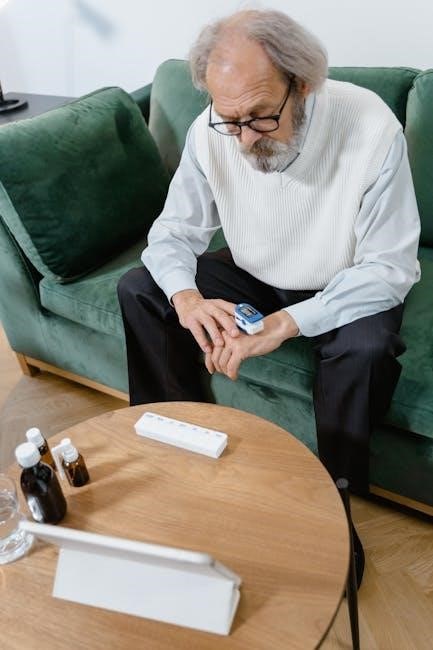
Home health nurses expertly administer medications‚ meticulously dress wounds‚ and consistently monitor the healing process‚ providing direct‚ skilled care to patients in their homes.
Initial Patient Assessment and Care Planning
A foundational responsibility of the home health nurse is conducting a thorough initial health evaluation of each patient within their home environment. This comprehensive assessment encompasses a detailed review of the patient’s medical history‚ current medications‚ functional abilities‚ and psychosocial status.
Following the assessment‚ the nurse collaborates with the patient‚ their family‚ and the physician to develop an individualized plan of care. This plan meticulously outlines specific goals‚ interventions‚ and expected outcomes tailored to the patient’s unique needs and preferences.
Care planning involves prioritizing interventions‚ establishing realistic timelines‚ and documenting everything clearly. Nurses must also consider the patient’s home environment‚ identifying potential safety hazards and incorporating strategies to promote independence and well-being. Regular reassessments are crucial to evaluate progress and adjust the care plan as needed‚ ensuring optimal patient outcomes.
Medication Administration and Management
A core duty of the home health nurse is the safe and accurate administration of medications‚ directly addressing pain management and overall therapeutic goals. This involves verifying prescriptions‚ calculating dosages‚ and selecting the appropriate route of administration‚ always adhering to the “five rights” of medication safety.
Beyond administration‚ nurses play a vital role in medication education‚ instructing patients and their families on proper techniques‚ potential side effects‚ and the importance of adherence to the prescribed regimen. They also assess for drug interactions and monitor for adverse reactions‚ promptly reporting any concerns to the physician.
Effective management includes ensuring patients have access to their medications‚ assisting with refills‚ and providing strategies for organization. Nurses document all medication-related activities meticulously‚ contributing to a comprehensive and safe medication profile.
Wound Care and Management
Home health nurses are frequently responsible for assessing‚ treating‚ and monitoring various types of wounds‚ ranging from surgical incisions to chronic ulcers. This requires a thorough understanding of wound healing principles and the ability to select appropriate dressings and therapies.
Skillful wound care involves meticulous cleaning‚ debridement when indicated‚ and application of dressings to promote a moist wound environment and prevent infection. Nurses closely observe for signs of complications‚ such as increased pain‚ redness‚ swelling‚ or drainage‚ and intervene promptly.
Patient education is paramount‚ teaching individuals and their caregivers proper wound care techniques‚ recognizing infection indicators‚ and understanding the importance of nutritional support for healing. Detailed documentation of wound characteristics and treatment progress is essential for continuity of care.
Monitoring Patient Vital Signs and Condition
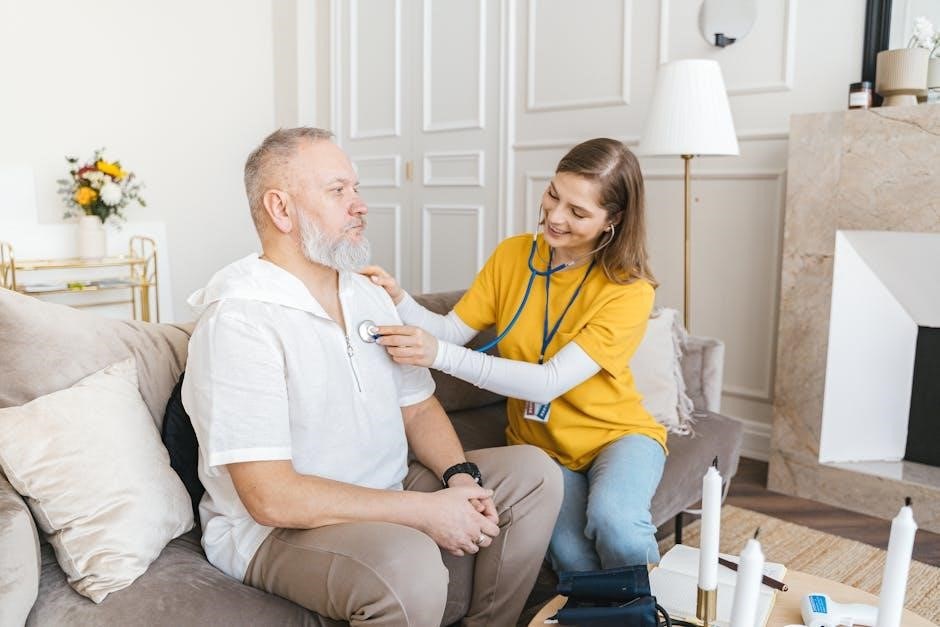
Home health nurses diligently monitor patient vital signs – including temperature‚ pulse‚ respiration‚ and blood pressure – to detect subtle changes indicative of improving or declining health. Regular assessments extend beyond these core measurements to encompass a comprehensive evaluation of the patient’s physical and mental status.
Observational skills are crucial; nurses assess for signs of pain‚ edema‚ skin breakdown‚ changes in cognitive function‚ and overall functional ability. This ongoing monitoring allows for early identification of potential complications‚ enabling timely intervention and preventing adverse events.
Accurate documentation of all findings is paramount‚ providing a clear picture of the patient’s condition over time. Nurses communicate significant changes to the physician and other members of the healthcare team‚ ensuring coordinated and effective care delivery within the home setting.
Essential Skills and Qualifications
Successful home health nurses possess an active‚ unencumbered RN license‚ a valid driver’s license‚ and strong communication skills for effective patient interaction and care.
Required Nursing License and Credentials (RN)
A current and unrestricted Registered Nurse (RN) license is absolutely fundamental for practicing as a home health nurse. This license signifies the nurse’s completion of a rigorous nursing education program and successful passage of the NCLEX-RN examination‚ demonstrating competency in essential nursing skills.
Verification of an active license is a non-negotiable requirement for employment by home health agencies‚ ensuring legal and ethical practice. Agencies will meticulously verify the license’s status with the state board of nursing.
Furthermore‚ some agencies may prioritize nurses holding a Bachelor of Science in Nursing (BSN) degree‚ though an Associate Degree in Nursing (ADN) is often acceptable. Continuing education and specialized certifications‚ while not always mandatory‚ can significantly enhance a nurse’s qualifications and demonstrate a commitment to professional development within the home health field.

Valid Driver’s License and Transportation
Possessing a valid and unrestricted driver’s license is a critical requirement for home health nurses‚ as the role necessitates frequent travel to patients’ homes. A reliable vehicle with current auto insurance is equally essential‚ ensuring safe and timely arrival at each appointment.

Home health nurses often cover geographically dispersed areas‚ requiring them to navigate various road conditions and distances. Agencies typically verify the validity of the driver’s license and may conduct background checks related to driving history.
Mileage reimbursement is a standard practice‚ compensating nurses for the wear and tear on their vehicles. The ability to independently manage transportation logistics is paramount‚ demonstrating responsibility and professionalism in delivering care to patients in their homes.
Communication and Interpersonal Skills
Exceptional communication and interpersonal skills are foundational for home health nurses‚ fostering trust and rapport with patients and their families. Nurses must effectively convey complex medical information in an understandable manner‚ addressing concerns with empathy and patience.
Active listening is crucial‚ allowing nurses to accurately assess patient needs and preferences. Clear‚ concise documentation and reporting are also vital‚ ensuring continuity of care among the healthcare team. The ability to collaborate effectively with physicians‚ therapists‚ and other professionals is paramount.
Demonstrated skills in problem-solving‚ observation‚ and both verbal and written communication are essential‚ as highlighted in competency checklists. Building strong relationships and providing emotional support are integral aspects of the role.
Documentation and Reporting
Maintaining accurate patient records is paramount‚ alongside utilizing comprehensive checklists for detailed care. Promptly reporting any changes in a patient’s condition is crucial.
Maintaining Accurate Patient Records
Diligent documentation forms the cornerstone of quality home health nursing‚ ensuring continuity of care and facilitating effective communication among the healthcare team. Complete and precise records are legally essential‚ protecting both the patient and the nurse.
Records must meticulously detail all patient interactions‚ including assessments‚ medications administered‚ wound care provided‚ vital sign measurements‚ and any observed changes in condition. Accuracy is paramount; errors or omissions can have serious consequences.
Home health nurses utilize various documentation methods‚ often incorporating electronic health records (EHRs) alongside traditional paper-based systems. Timeliness is also critical – records should be updated as close to the point of care as possible.
Furthermore‚ documentation should clearly reflect the patient’s goals‚ preferences‚ and involvement in their care plan‚ demonstrating a patient-centered approach. Proper record-keeping supports effective care coordination and facilitates appropriate reimbursement for services rendered.
Utilizing Checklists for Comprehensive Care
Checklists serve as invaluable tools for home health nurses‚ promoting consistency and minimizing the risk of overlooked details during patient visits. These aren’t meant to replace clinical judgment‚ but rather to augment it‚ ensuring a thorough and standardized approach to care.
Comprehensive checklists cover essential elements like medication reconciliation‚ wound assessment parameters‚ vital sign monitoring protocols‚ and safety checks within the patient’s home environment. They help nurses systematically address all aspects of a patient’s needs.
Employing checklists enhances efficiency‚ particularly when managing multiple patients with diverse conditions. They also prove beneficial for newly employed nurses or those encountering unfamiliar situations‚ providing a structured framework for practice.
Regular review and updates to checklists are crucial‚ reflecting current best practices and agency policies. Properly utilized‚ these tools contribute significantly to patient safety‚ improved outcomes‚ and the delivery of high-quality home health services.
Reporting Changes in Patient Condition
Prompt and accurate reporting of any changes in a patient’s condition is a paramount responsibility for home health nurses. This includes alterations in vital signs‚ new or worsening symptoms‚ medication side effects‚ and any concerns expressed by the patient or their family.
Effective communication with the supervising physician‚ case manager‚ and other members of the healthcare team is essential. Reports should be clear‚ concise‚ and objective‚ detailing specific observations and relevant data.
Nurses must adhere to agency protocols for reporting critical changes‚ which may involve immediate notification via phone or electronic health record systems. Timely intervention based on reported changes can prevent complications and improve patient outcomes.

Detailed documentation of reported changes‚ along with the actions taken‚ is crucial for maintaining a comprehensive patient record and ensuring continuity of care. This diligent practice safeguards patient well-being and supports informed decision-making.
Legal and Ethical Considerations
Maintaining patient confidentiality and strict HIPAA compliance are non-negotiable. Adhering to agency policies‚ procedures‚ and legal standards ensures ethical and responsible patient care delivery.
Patient Confidentiality and HIPAA Compliance
Protecting patient information is paramount in home health nursing‚ governed by stringent legal and ethical guidelines. The Health Insurance Portability and Accountability Act (HIPAA) mandates safeguarding Protected Health Information (PHI).
Home health nurses must meticulously adhere to HIPAA regulations regarding patient records‚ discussions‚ and data transmission‚ ensuring privacy and security. This includes obtaining proper consent for information sharing and limiting access to authorized personnel only.
Confidentiality extends to all forms of communication – verbal‚ written‚ and electronic. Nurses must be discreet during home visits‚ avoiding discussions within earshot of others and securing sensitive documents. Any breach of confidentiality can result in severe penalties‚ emphasizing the critical importance of unwavering compliance.
Regular training on HIPAA updates and agency-specific policies is essential for maintaining a culture of privacy and accountability within home health organizations.
Adhering to Agency Policies and Procedures
Home health nurses operate within a structured framework defined by their employing agency’s policies and procedures‚ ensuring consistent‚ high-quality care. These guidelines cover a broad spectrum‚ from patient assessment protocols to documentation standards and emergency response protocols.
Strict adherence is crucial for legal and ethical practice‚ minimizing risk and maintaining patient safety; Policies dictate medication administration‚ wound care techniques‚ and reporting procedures for any changes in a patient’s condition.
Regular review of agency manuals and participation in ongoing training are essential to stay current with evolving best practices and policy updates. Understanding and implementing these guidelines demonstrates professionalism and commitment to providing responsible‚ accountable care.
Deviation from established protocols can have serious consequences‚ potentially jeopardizing patient well-being and the agency’s reputation‚ reinforcing the importance of diligent compliance.