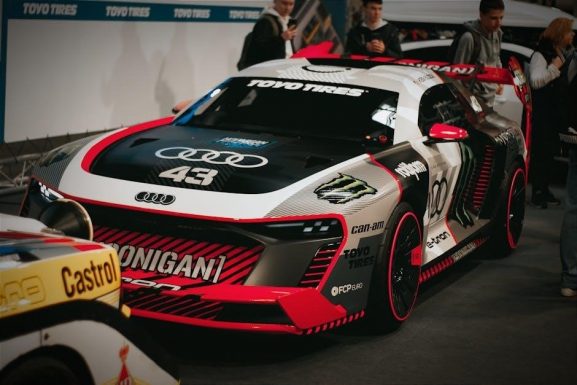
Audi R8 V10 Manual: A Deep Dive
The Audi R8 V10 with a manual transmission is exceptionally rare, with estimates suggesting only 1-5% of all R8s produced featured this option.
Early models (2008-2009) saw higher manual rates, around 20-25%, while facelift models (2014-2015) dropped to approximately 5%.
The Audi R8 V10 manual represents a unique and highly sought-after configuration within the already impressive R8 lineage. Launched initially in 2008, the R8 quickly established itself as a formidable competitor in the supercar arena, blending Italian design flair with German engineering precision. While the automatic transmission (specifically, the R-Tronic and later the S-Tronic) proved popular, a dedicated enthusiast base clamored for the visceral connection of a traditional manual gearbox.
Audi responded, offering a six-speed manual transmission as an option, primarily in the early production years. This decision catered to purists who valued driver engagement and control above all else; However, the manual R8 was always produced in limited numbers, making it a rarity even when new. Reports suggest that only a small percentage – estimates range from 1% to 25% depending on the year – of all R8 V10s left the factory equipped with three pedals.
This scarcity has only amplified the R8 V10 manual’s desirability over time. It’s become a collector’s item, prized for its authenticity and the unique driving experience it provides. The manual transmission transforms the R8 from a technologically advanced grand tourer into a raw, engaging sports car, appealing to those who relish the art of driving;
Rarity and Production Numbers
Determining precise production numbers for the Audi R8 V10 manual is a challenging endeavor, as official figures are not comprehensively released by Audi. However, based on accumulated data from enthusiast communities, auction results, and dealer reports, a clear picture of its rarity emerges. Estimates consistently point to a significantly lower proportion of manual R8s compared to automatic variants.
Initial reports suggest that approximately 20-25 out of every 100 R8s produced during the 2008-2009 model years were equipped with a manual transmission. This represents the highest percentage of manual R8s ever produced. As production progressed, demand shifted, and the manual option became increasingly scarce. The 2010-2013 models saw a decline, with estimates falling to around 5-10 manuals per 100 vehicles.
The final years of production, specifically the 2014-2015 facelift models, witnessed the lowest manual transmission rates, reportedly around 5 out of 100 units. Some sources indicate even fewer, with a handful of exceptions noted. Overall, a commonly cited figure is that roughly 1 out of every 100 R8s built featured a manual gearbox, solidifying its status as a truly exclusive offering.
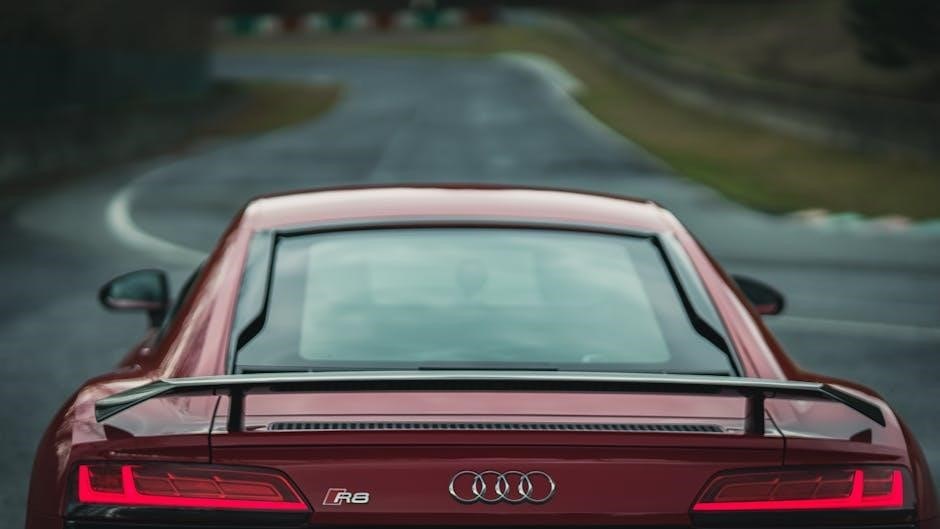
Early Production (2008-2009) Manual Transmission Rates
The 2008 and 2009 model years represent the peak for manual transmission availability in the Audi R8 V10. During this initial production run, the six-speed manual gearbox was a more prominent option, catering to enthusiasts who prioritized driver engagement. Estimates suggest that approximately 20 to 25 percent of all R8 V10s produced during these years were equipped with the manual transmission.
This higher rate can be attributed to several factors. The R8 was a relatively new model, and the manual option aligned with the sports car’s purist image. Demand from driving enthusiasts was strong, and Audi offered the manual as a readily available choice. Furthermore, the initial marketing efforts emphasized the R8’s connection to motorsport, which traditionally favored manual gearboxes.
However, even during these early years, the manual R8 V10 remained less common than its automatic counterpart. Production numbers were still limited, and the automatic transmission gained popularity due to its convenience and increasingly sophisticated performance. Despite this, the 2008-2009 R8 V10 manuals are considered the most desirable and collectible versions due to their rarity and authentic driving experience.
Mid-Production (2010-2013) Manual Transmission Rates
The years 2010 through 2013 witnessed a noticeable decline in the availability of the manual transmission for the Audi R8 V10. While still offered, the six-speed manual became increasingly scarce as Audi shifted its focus towards the automated R-Tronic and later, the S-Tronic dual-clutch transmissions. Production figures indicate that the manual transmission rate during this period fell significantly compared to the initial 2008-2009 models.
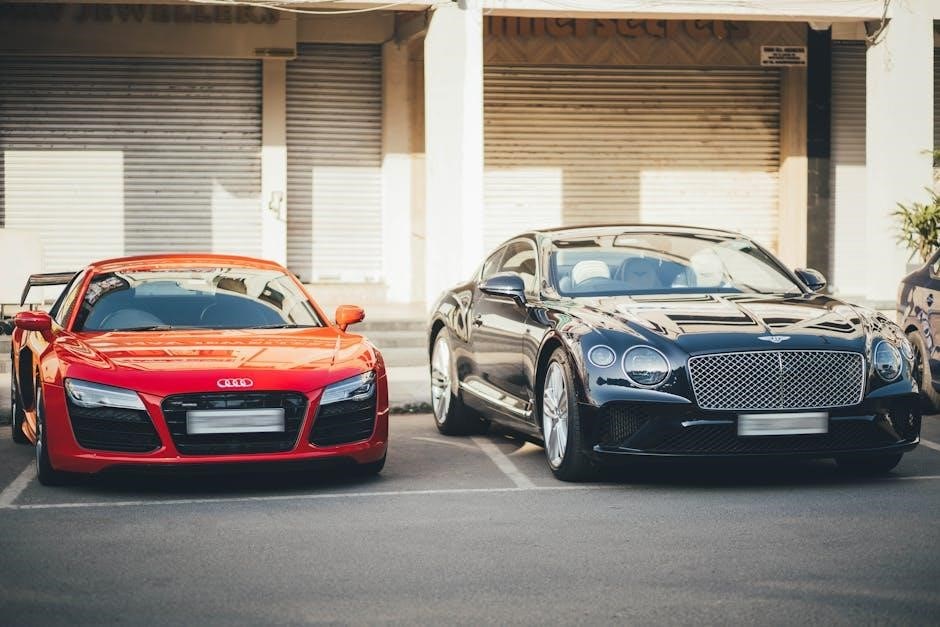
Estimates suggest that the manual option accounted for a considerably smaller percentage of R8 V10s produced between 2010 and 2013 – likely falling below 10%. This decrease reflects a broader industry trend towards automated transmissions, driven by advancements in technology and consumer preference for ease of use. Audi also actively promoted the performance benefits of its automated gearboxes, highlighting faster shift times and improved fuel efficiency.
Despite the reduced availability, the manual R8 V10s from these years remain highly sought after by collectors and enthusiasts. Their relative rarity adds to their appeal, and they offer a unique driving experience that distinguishes them from their automatic counterparts. Finding a well-maintained example from this era requires patience and diligence.
Facelift Models (2014-2015) Manual Transmission Rates
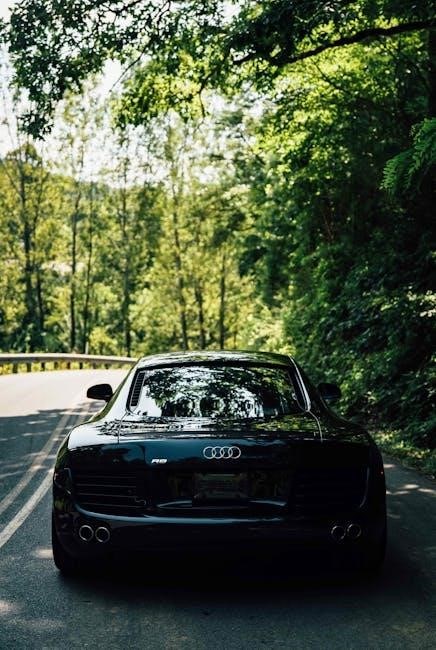
The 2014 and 2015 model year R8 V10s, representing the final iteration of the first-generation car, saw the manual transmission option reach its lowest point in terms of production numbers. The facelift brought updated styling and technology, but further cemented the automatic transmissions as the dominant choice for buyers. Estimates consistently place the manual transmission rate for these years around a mere 5% of total R8 V10 production.
This scarcity makes the 2014-2015 manual R8 V10s among the most collectible variants. While a few exceptions exist – reports suggest around three 2014 V10 models retained the manual – they are exceptionally rare finds. The overwhelming majority of these facelifted cars were equipped with the S-Tronic dual-clutch transmission, offering quicker shifts and a more modern driving experience.
The decision to drastically reduce manual production reflected Audi’s assessment of market demand and a continued push towards automated technology. For enthusiasts, however, these final manual R8 V10s represent the pinnacle of a disappearing breed, offering a raw and engaging driving experience that is increasingly difficult to find in modern supercars.

Why the Manual Transmission Was Discontinued
The discontinuation of the manual transmission in the Audi R8 V10 wasn’t a sudden decision, but rather a gradual phasing out driven by market forces and technological advancements. Demand for manual transmissions was steadily declining across the automotive landscape, with a growing preference for the convenience and speed of automatic gearboxes, particularly dual-clutch systems like Audi’s S-Tronic.
The S-Tronic transmission offered demonstrably faster shift times and improved acceleration, appealing to a broader customer base focused on performance metrics. Audi likely observed the low take-up rates of the manual R8 V10, especially in the later facelift models, and determined that continuing its production wasn’t economically viable.
Furthermore, the increasing complexity of modern supercars and the integration of advanced driver-assistance systems were more easily implemented with automatic transmissions. Simplifying the production line by focusing solely on the S-Tronic gearbox streamlined manufacturing and reduced costs. Ultimately, the decision reflected a shift towards prioritizing efficiency and broader market appeal over catering to a niche enthusiast group.
The Driving Experience: Advantages of the Manual R8 V10
The manual Audi R8 V10 offers a uniquely engaging driving experience that the automatic S-Tronic transmission simply cannot replicate. For purists, the direct connection between driver and machine, achieved through precise gear changes and clutch control, is paramount. This fosters a deeper sense of involvement and control, enhancing the overall driving pleasure.
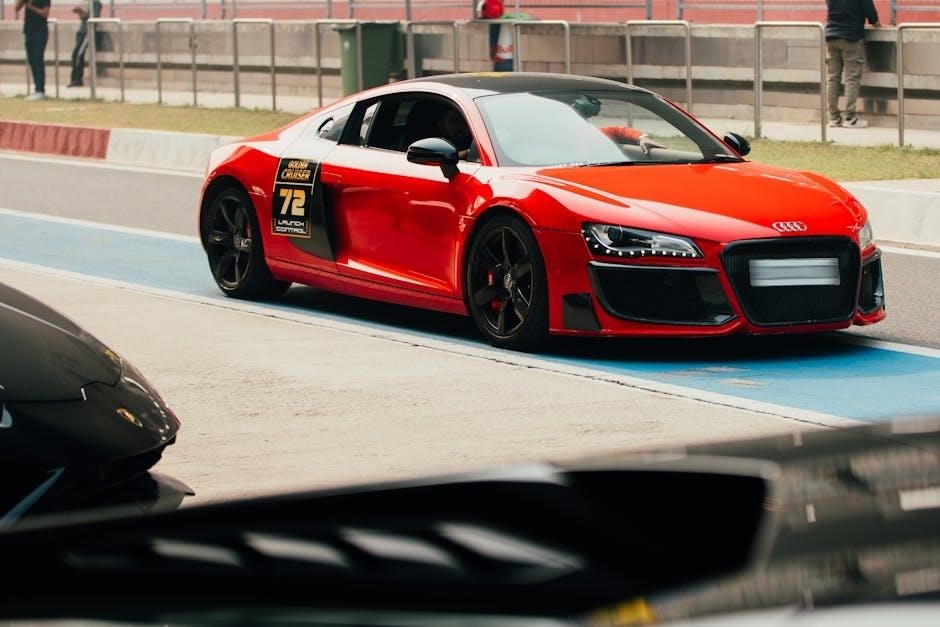
The manual gearbox allows for a more nuanced approach to cornering and power delivery, enabling drivers to precisely manage engine braking and maintain optimal torque. It demands skill and attention, rewarding drivers with a heightened sense of accomplishment. The tactile feedback from the shifter and clutch pedal adds to the immersive experience.
Many enthusiasts appreciate the ability to fully dictate the car’s behavior, overriding the automatic’s programming and tailoring the driving experience to their preferences. This level of control is particularly appealing on track days or spirited drives, where the manual transmission allows for a more intimate and rewarding connection with the R8’s potent V10 engine.
Performance Differences: Manual vs. Automatic
While both the manual and automatic (S-Tronic) Audi R8 V10 deliver exhilarating performance, subtle differences exist. Generally, the S-Tronic transmission achieves marginally quicker acceleration and lap times due to its lightning-fast shifts and consistent power delivery. Factory tests often showed the automatic being a tenth or two faster in 0-60 mph sprints.
However, these differences are often negligible in real-world driving conditions and heavily dependent on driver skill. A proficient driver with the manual transmission can minimize the performance gap through precise shifting and clutch work. The manual R8 often feels faster due to the increased driver engagement and sense of control.
The automatic’s efficiency can also translate to slightly better fuel economy, though the R8 is not typically purchased with fuel efficiency as a primary concern. Ultimately, the performance difference is less significant than the contrasting driving experiences. The manual prioritizes driver involvement, while the automatic emphasizes raw speed and convenience.
Gear Ratios and Transmission Specifications
The Audi R8 V10 manual transmission is a robust 6-speed unit, designed to handle the engine’s substantial power output. First gear is geared relatively short for strong off-the-line acceleration, while sixth gear provides comfortable highway cruising. Specific gear ratios vary slightly depending on the model year, but generally fall within a similar range.
Here’s a general overview of the gear ratios: 1st: 3.70, 2nd: 2.08, 3rd: 1.47, 4th: 1.15, 5th: 0.93, 6th: 0.74. The final drive ratio is typically 3.90. These ratios are carefully calibrated to optimize performance across the entire rev range of the 5.2-liter V10 engine.
The clutch is a heavy-duty, dual-plate design to withstand the high torque loads. The transmission itself is known for its precise shift feel and durability. It’s important to note that the manual R8 does not feature a limited-slip differential as standard; this was an optional extra. Proper maintenance, including regular fluid changes, is crucial for ensuring the longevity of this sophisticated gearbox.
Common Issues with the R8 V10 Manual Transmission
While generally robust, the Audi R8 V10 manual transmission isn’t entirely without its potential issues. A common complaint revolves around the clutch, which can exhibit premature wear, particularly with aggressive driving. This often manifests as slippage or difficulty engaging gears. Regular inspection and replacement, when necessary, are vital.
Another reported issue is with the shift linkage, which can become imprecise over time, leading to missed shifts. This is often due to wear in the bushings and joints. Replacing these components can restore crisp, accurate shifting. Some owners have also experienced issues with the transmission fluid leaking, requiring attention to seals and gaskets.
Less frequent, but more serious, problems can involve internal transmission damage, such as worn synchros. This typically presents as grinding noises during gear changes. Early detection and repair are crucial to prevent further damage. Thorough pre-purchase inspections by a qualified mechanic specializing in Audi vehicles are highly recommended to identify any potential issues before they escalate.

Maintenance and Servicing of the Manual Gearbox
Proactive maintenance is key to preserving the longevity and performance of the R8 V10’s manual gearbox. Audi recommends fluid changes every 30,000 miles or three years, whichever comes first. Using the correct GL-4 gear oil is crucial; deviations can lead to component damage. Regular inspections of the clutch disc, pressure plate, and throw-out bearing are also essential, especially for vehicles driven aggressively.
Beyond fluid changes, inspect the shift linkage for wear and play. Replacing worn bushings and joints ensures precise shifting. Check for any signs of leaks around the transmission seals and gaskets. Address any leaks promptly to prevent fluid loss and potential damage. It’s also wise to periodically inspect the driveshaft couplings for wear or damage.
For owners who track their R8, more frequent maintenance is advisable. Consider shortening the fluid change intervals and performing more thorough inspections after each track day. A qualified mechanic specializing in Audi performance vehicles should handle all major servicing to ensure proper diagnosis and repair.
Finding a Manual R8 V10 for Sale
Locating a manual R8 V10 requires patience and diligent searching, given their limited production numbers. Online marketplaces like Bring a Trailer, Cars & Bids, and specialized Audi forums are excellent starting points. Traditional classifieds, such as AutoTrader and Craigslist, can occasionally yield results, but require careful vetting.
Be prepared to expand your search geographically. Manual examples are more common in areas with a strong enthusiast base. Consider working with a vehicle locator service specializing in rare Audis; they can proactively search on your behalf. When evaluating potential purchases, prioritize a thorough pre-purchase inspection (PPI) performed by a qualified Audi technician.
Verify the vehicle’s history and confirm it’s a genuine manual transmission model. Check the VIN with Audi to confirm original specifications. Scrutinize service records for evidence of proper maintenance. Don’t hesitate to walk away from any vehicle with a questionable history or incomplete documentation.
Pricing and Market Value
The market value of a manual R8 V10 is significantly higher than its automatic counterpart, driven by rarity and enthusiast demand. As of late 2025, expect to pay a substantial premium, often exceeding $30,000 ⎯ $50,000 above comparable automatic models, depending on condition, mileage, and year.
Early production (2008-2009) models in excellent condition can command prices between $120,000 and $180,000, while later facelift models (2014-2015) typically range from $140,000 to $220,000. Lower mileage examples and those with desirable options (like carbon fiber trim) will fetch top dollar.
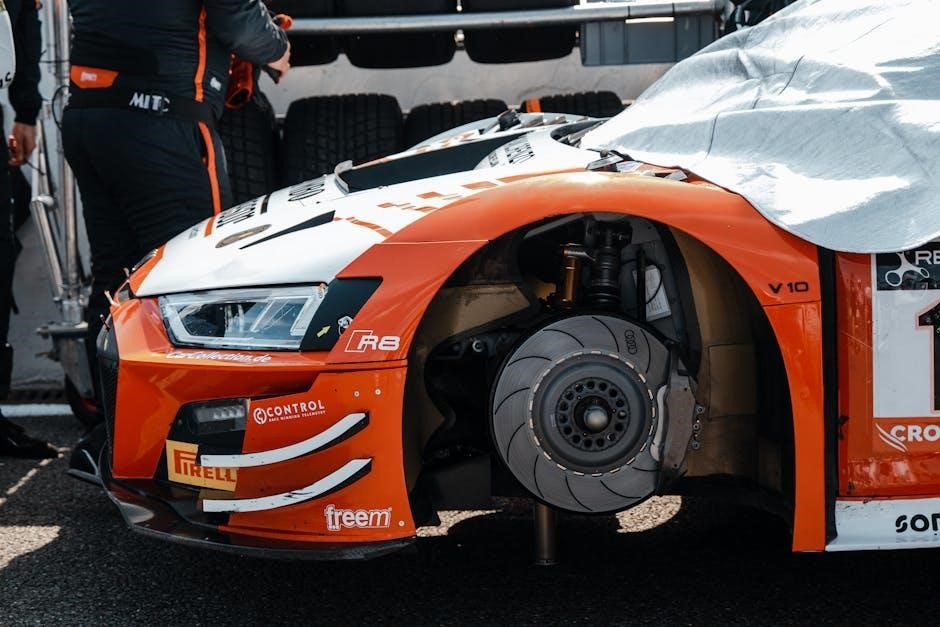
Auction results provide valuable insights into current market trends. Regularly monitor sites like Bring a Trailer to gauge recent sales prices. Be aware that pricing can fluctuate based on overall economic conditions and collector interest. Professional appraisals are recommended to determine a fair market value before making a purchase or sale.
Identifying a Genuine Manual R8 V10
Verifying a manual R8 V10’s authenticity is crucial, given the premium they command. Start with the Vehicle Identification Number (VIN). Contact Audi’s customer service with the VIN to confirm the original transmission configuration as delivered from the factory. This is the most reliable method.
Inspect the gear shifter itself. Manual R8s feature a distinct six-speed gated shifter with a unique feel and throw pattern, differing significantly from the automatic’s selector. Look for the presence of a clutch pedal – an obvious but essential check! Ensure it operates smoothly and doesn’t exhibit any unusual resistance.
Review the original window sticker or build sheet, if available. These documents will explicitly state the transmission type. Check for any signs of modification that might indicate a transmission swap. A thorough pre-purchase inspection by a qualified Audi technician is highly recommended to validate the car’s originality and identify any potential issues.
Modifications and Upgrades for the Manual Transmission
While the R8 V10 manual transmission is robust, several upgrades can enhance its performance and durability. A popular modification is a short-throw shifter, reducing shift travel for quicker, more precise gear changes. These kits typically replace the factory linkage, improving the driving experience.
Upgraded clutch kits are available, offering increased clamping force for improved power handling and reduced slippage, particularly beneficial for tuned engines. Consider a lightweight flywheel to improve engine responsiveness and acceleration, though this may introduce some drivetrain noise.
Transmission fluid changes with high-quality synthetic oil are essential for longevity. Some enthusiasts opt for upgraded synchros for smoother shifting, especially under aggressive driving conditions. However, these modifications require professional installation and careful consideration of potential trade-offs. Avoid drastic alterations that could compromise the transmission’s reliability or warranty.
The R8 V10 Manual Community and Enthusiast Groups
The Audi R8 V10 manual community is a passionate and dedicated group of enthusiasts, recognizing the unique appeal of this rare variant. Online forums, such as AudiWorld and dedicated R8-specific Facebook groups, serve as central hubs for information sharing, technical advice, and camaraderie.
These platforms facilitate discussions on maintenance, modifications, and sourcing parts. Owners frequently share their experiences, offering valuable insights into the ownership of these vehicles. Regional R8 clubs organize events, track days, and social gatherings, fostering a strong sense of community.
The rarity of the manual transmission creates a particularly tight-knit group, with owners often collaborating to preserve and celebrate this special configuration. Social media platforms like Instagram showcase stunning examples of modified and well-maintained R8 V10 manuals, inspiring others and promoting the model’s legacy. Connecting with these groups provides invaluable support and access to a wealth of knowledge.
Future Collectibility and Investment Potential
The Audi R8 V10 manual is poised to become a highly sought-after collector’s item, driven by its extreme rarity and the increasing demand for driver-focused, analog experiences. With production numbers representing a small fraction of total R8s, the manual variant is expected to appreciate significantly in value over time.
Factors contributing to this potential include the discontinuation of manual transmissions in modern supercars and a growing nostalgia for traditional driving engagement. Well-maintained, low-mileage examples with documented history will likely command premium prices. Investment potential is further enhanced by the R8’s iconic status and its association with Audi’s performance heritage.
As the automotive landscape shifts towards electrification, the appeal of a naturally aspirated V10 engine paired with a manual gearbox will likely intensify. Collectors are increasingly recognizing the R8 V10 manual as a unique and desirable piece of automotive history, making it a potentially lucrative investment for enthusiasts and collectors alike.