Navy SEAL Training Program: A Comprehensive Overview (Updated 12/16/2025)
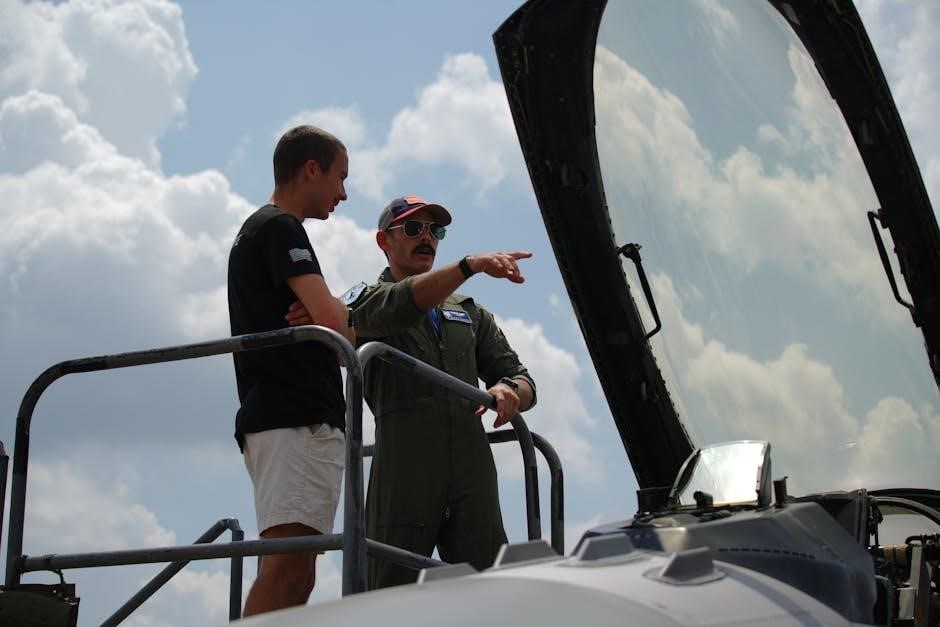
The Navy SEAL training program is rigorous, encompassing BUD/S, SQT, and continued refinement, preparing elite warriors for maritime and land-based operations․
Navy SEAL training represents the pinnacle of U․S․ Special Warfare, demanding unwavering commitment and exceptional physical and mental fortitude․ This intensive program transforms recruits into highly skilled maritime special operations forces, capable of executing the most challenging missions globally․ The journey begins with a thorough selection process, identifying candidates possessing the necessary attributes for success․
Successful applicants then endure Basic Underwater Demolition/SEAL (BUD/S) training, a notoriously difficult course designed to push individuals to their absolute limits․ Following BUD/S, candidates progress to SEAL Qualification Training (SQT), honing advanced skills in parachuting, demolitions, and communications․ The United States Navy maintains its position as the world’s most powerful navy, and its SEAL teams are a critical component of national security․ Continuous training and refinement ensure operational readiness, preparing SEALs for diverse and dynamic deployment scenarios․
II․ Eligibility Requirements & Initial Assessment
Aspiring Navy SEALs must meet stringent eligibility criteria, beginning with age and educational qualifications․ Candidates generally require a high school diploma or equivalent, though prior college experience is advantageous․ Crucially, applicants must pass the Armed Services Vocational Aptitude Battery (ASVAB), achieving qualifying scores in specific areas․
Beyond academics, a rigorous Physical Screening Test (PST) is mandatory․ This assesses core strength, endurance, and swimming proficiency – including a 500-yard swim, push-ups, sit-ups, and a 1․5-mile run․ Obtaining a SEAL contract necessitates completing boot camp, or graduation from the Naval Academy/Officer Candidates School (OCS)․ The initial assessment weeds out those lacking the foundational physical and mental attributes required to withstand the demands of BUD/S and subsequent training phases․
A․ Age and Education
Candidates typically enter the Navy SEAL training program between the ages of 17 and 28, though waivers may be considered for exceptional applicants․ A high school diploma or GED is a fundamental prerequisite for entry, demonstrating a baseline level of academic achievement․ However, possessing some college education—whether completed or in progress—is highly favored, showcasing dedication and intellectual capacity․
While not strictly mandatory, a bachelor’s degree significantly enhances an applicant’s profile and potential for leadership roles within the teams․ The Navy seeks individuals capable of critical thinking, problem-solving, and adapting to complex situations, skills often honed through higher education․ Educational background is assessed alongside physical and mental fortitude during the initial screening process․
B․ ASVAB Scores & Physical Screening Test (PST)
A competitive score on the Armed Services Vocational Aptitude Battery (ASVAB) is crucial, with a General Technical (GT) score of at least 220 being generally required․ However, exceeding this benchmark significantly improves selection chances․ More importantly, the Physical Screening Test (PST) serves as the initial weeding-out process, demanding exceptional physical fitness․
The PST consists of 500-yard swim (under 12:30), 50 push-ups (in 2 minutes), 50 sit-ups (in 2 minutes), a 1․5-mile run (under 11:00), and 15 pull-ups (no time limit)․ These standards are extremely challenging and require dedicated preparation․ Meeting these minimums doesn’t guarantee acceptance; exceeding them demonstrates a superior level of physical conditioning and commitment․
III․ Phase 1: Basic Underwater Demolition/SEAL (BUD/S) – Physical Conditioning
The first phase of BUD/S is relentlessly focused on physical hardening, designed to push candidates to their absolute limits and beyond․ This initial period emphasizes building physical strength, endurance, and mental fortitude through intense and continuous training․ Expect constant exposure to cold, wet, and sandy conditions, deliberately designed to induce discomfort and stress․
This phase isn’t about peak performance initially, but about identifying those who can adapt and persevere under extreme duress․ It’s a brutal introduction, preparing candidates for the even more demanding phases ahead, and weeding out those lacking the necessary resilience and determination․
A․ First Phase Overview: Physical Hardening
The initial BUD/S phase, lasting approximately eight weeks, centers on complete physical and mental transformation․ It’s a deliberate assault on the body, designed to break down existing habits and rebuild candidates into highly adaptable, resilient warriors․ Constant exposure to the elements – cold water, sand, and relentless physical exertion – are hallmarks of this period․
This isn’t simply about building muscle; it’s about forging an unbreakable spirit․ Instructors intentionally create a high-stress environment, pushing candidates to their breaking points to assess their character and resolve․ Successful completion hinges on mental toughness and the ability to function effectively under extreme duress․
B․ Physical Training (PT) – Running, Swimming, Calisthenics
Physical Training during First Phase is brutal and unrelenting, focusing on building foundational strength and endurance․ Daily routines incorporate extensive running – both distance and interval – often in boots and utility uniforms, across sand and uneven terrain․ Swimming is equally demanding, including long-distance ocean swims in full gear, and rigorous pool workouts designed to enhance water competency․
Calisthenics, such as push-ups, pull-ups, sit-ups, and flutter kicks, are performed in massive repetitions, often as a group, and frequently as punishment․ This constant physical stress is deliberately designed to push candidates beyond their perceived limits, identifying those with the mental fortitude to persevere․
C․ The “Grinder” – Constant Physical Stress
The “Grinder” is a defining element of First Phase, representing relentless, sustained physical and mental pressure․ It’s a period of continuous evolution, involving endless calisthenics, obstacle courses, and beach runs, all while instructors actively attempt to break candidates․ Sleep deprivation is a key component, exacerbating the physical strain and testing mental resilience․
The goal isn’t simply physical exhaustion; it’s to assess a candidate’s ability to maintain composure and teamwork under extreme duress․ Instructors intentionally create chaotic and stressful scenarios, observing how individuals react and support each other․ This phase weeds out those lacking the necessary grit and determination․
IV․ Phase 2: Diving
Phase 2 of BUD/S focuses intensely on transforming candidates into proficient combat swimmers and underwater operators․ This stage begins with rigorous combat swimming drills, emphasizing underwater navigation, confidence, and efficiency․ Students learn essential skills like underwater knot tying, and various search techniques․
SCUBA qualification is a core component, providing the foundation for more advanced underwater operations․ Pool competitions are frequent, testing skills under pressure, followed by open water exercises simulating real-world scenarios․ These exercises build endurance and adaptability in challenging maritime environments, preparing them for complex underwater missions․
A․ Combat Swimming & Underwater Skills
Combat swimming forms the bedrock of Phase 2, demanding exceptional physical and mental fortitude from SEAL candidates․ Training emphasizes efficient propulsion, underwater navigation without aids, and maintaining composure in stressful conditions․ Students master techniques for long-distance swims with fins and without, crucial for covert approaches․
Underwater skills encompass knot tying, object recovery, and underwater communication․ Candidates learn to operate effectively in low visibility and strong currents, simulating realistic operational environments․ This phase builds confidence and proficiency, preparing them for complex underwater tasks and ensuring they can function effectively as a team beneath the surface․
B․ SCUBA Qualification
SCUBA qualification is a critical component of Phase 2, expanding SEAL candidates’ underwater capabilities beyond basic swim techniques․ This rigorous training covers all aspects of open and closed-circuit SCUBA systems, including equipment maintenance, emergency procedures, and underwater problem-solving․
Candidates learn to manage air consumption, navigate using underwater compasses, and perform tasks while maintaining buoyancy control․ They practice diving to varying depths and in challenging conditions, simulating real-world operational scenarios․ Successful completion of SCUBA qualification demonstrates a candidate’s ability to operate safely and effectively underwater, a vital skill for numerous SEAL missions․
C․ Pool Competitions & Open Water Exercises
Pool competitions and open water exercises relentlessly test candidates’ newly acquired diving skills under immense pressure and fatigue․ These events aren’t simply about technical proficiency; they evaluate mental fortitude and the ability to perform complex tasks while physically exhausted;
Exercises range from underwater obstacle courses and simulated rescues to long-distance swims with full combat gear․ Open water training, often conducted in the Pacific Ocean, introduces the challenges of currents, waves, and limited visibility․ These demanding scenarios forge resilience and teamwork, essential qualities for future SEAL operators, pushing them to their absolute limits․
V․ Phase 3: Land Warfare
Phase 3 of BUD/S transitions training to land warfare, building upon the physical and mental toughness established in prior phases․ This crucial stage focuses on transforming SEAL candidates into proficient ground combat operatives, capable of operating effectively in diverse environments․
Intensive weapons training and marksmanship drills are paramount, emphasizing precision and adaptability; Small unit tactics, patrolling techniques, and land navigation skills are honed through realistic field exercises․ Survival skills, including evasion, resistance, and escape, are also rigorously taught, preparing candidates for potential hostile situations․ This phase demands tactical thinking and the ability to operate independently or as part of a team․
A․ Weapons Training & Marksmanship
Weapons training during Phase 3 is exceptionally demanding, exceeding standard military protocols to forge expert marksmen․ Candidates master a diverse arsenal, including pistols, rifles, machine guns, and specialized weaponry, learning rapid assembly, disassembly, and malfunction drills under stress․
Marksmanship isn’t simply about hitting targets; it’s about precision under duress, incorporating shooting on the move, from unconventional positions, and in low-light conditions․ Drills emphasize instinctive shooting, target acquisition speed, and controlled breathing techniques․ Instructors relentlessly push candidates to achieve consistent accuracy, fostering a deep understanding of ballistics and weapon capabilities․ This rigorous training builds confidence and lethal proficiency․
B․ Small Unit Tactics & Patrolling
Phase 3 heavily emphasizes small unit tactics, transforming individuals into a cohesive, highly effective fighting force․ SEALs operate in small teams, demanding seamless coordination and mutual trust, honed through realistic training scenarios․
Candidates learn advanced patrolling techniques, including land navigation, reconnaissance, and ambush procedures․ They practice communicating using hand signals, map reading, and secure radio protocols․ Emphasis is placed on decentralized decision-making, empowering each operator to react swiftly and effectively to changing battlefield conditions․ Live-fire exercises simulate real-world combat, forcing candidates to apply their skills under intense pressure, building adaptability and tactical awareness․
C․ Land Navigation & Survival Skills
A cornerstone of Phase 3, land navigation and survival training prepares SEALs for operating independently in austere environments․ Candidates master map and compass skills, utilizing terrain association and dead reckoning for precise movement across diverse landscapes․
Survival training focuses on procuring food and water, building shelters, and evading capture․ They learn essential wilderness first aid, enabling them to treat injuries in remote locations․ Psychological resilience is also cultivated, preparing them to endure prolonged isolation and hardship․ These skills are not merely academic; candidates undertake extended field exercises, navigating challenging terrain while carrying heavy loads, demonstrating their ability to survive and operate effectively with minimal support․
VI․ Hell Week: The Ultimate Test
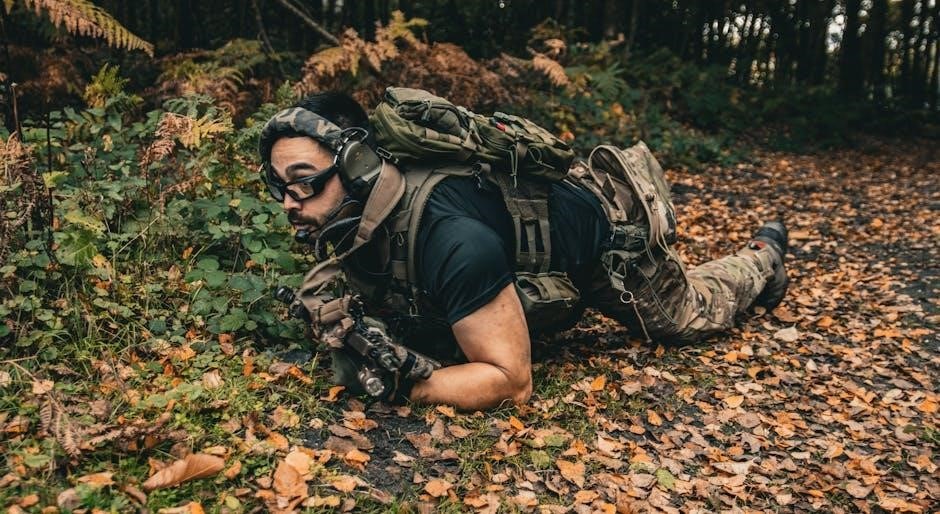
Hell Week, a defining event in BUD/S, is a grueling 5 ½-day period designed to push candidates beyond their physical and psychological limits․ Structured around minimal sleep – often less than four hours total – and constant, relentless training, it assesses a candidate’s resolve and ability to perform under extreme duress․
The week involves continuous physical exertion, cold-water immersion, and demanding obstacle courses․ Psychological warfare tactics are employed to break down individuals and test their mental fortitude․ The primary goal isn’t physical endurance, but rather evaluating a candidate’s emotional resilience, teamwork, and willingness to persevere despite overwhelming fatigue and discomfort․ Successful completion signifies a critical step towards earning the Trident․
A․ Purpose and Structure of Hell Week
Hell Week’s core purpose is to identify those candidates possessing the unwavering mental and physical fortitude required of a Navy SEAL․ It’s not merely about physical exhaustion; it’s a deliberate psychological assault designed to expose vulnerabilities and assess a candidate’s ability to function under extreme stress․
The structure involves nearly continuous training, beginning with a beach assault and progressing through relentless physical challenges, cold-water drills, and sleep deprivation․ Candidates operate with minimal food and rest, facing constant evaluation from instructors․ The week culminates in a final, demanding exercise․ It’s a crucible intended to forge unbreakable spirit and confirm a candidate’s commitment․
B․ Sleep Deprivation & Psychological Warfare
Sleep deprivation during Hell Week is a critical component, pushing candidates to the brink of physical and mental collapse․ This intentional exhaustion dramatically impairs cognitive function and decision-making abilities, mirroring the stresses of real-world operational environments․
Psychological warfare is interwoven throughout, employing relentless verbal abuse, unexpected tasks, and constant pressure from instructors․ The goal isn’t to break candidates, but to reveal their true character under duress․ Instructors exploit vulnerabilities, testing resilience and the ability to maintain composure․ This intense scrutiny assesses a candidate’s capacity to perform effectively when facing overwhelming adversity and uncertainty․
VII․ SEAL Qualification Training (SQT)
SEAL Qualification Training (SQT) represents the final, intensive phase before earning the coveted Trident․ This stage builds upon the foundation established at BUD/S, focusing on advanced, specialized skillsets crucial for operational effectiveness․
SQT encompasses rigorous parachute training, including both static line and freefall techniques, preparing SEALs for diverse insertion methods․ Further development includes demolitions expertise, advanced communications protocols, and comprehensive weapons proficiency․ Crucially, SQT emphasizes team integration and operational planning, fostering cohesion and collaborative problem-solving․ Candidates learn to function seamlessly within a team, executing complex missions with precision and adaptability․
A․ Parachute Training (Static Line & Freefall)
Parachute training within SQT is a critical component, demanding precision and courage from aspiring SEALs․ Initial instruction focuses on static line jumps, mastering fundamental techniques for rapid deployment from aircraft․ This builds a foundation for more advanced freefall training, conducted at Tactical Air Operations in San Diego, California․
Freefall training introduces high-altitude, low-opening (HALO) jumps, requiring exceptional body control and situational awareness․ SEALs learn to navigate and assemble in mid-air, preparing for covert insertions into diverse environments․ This phase emphasizes emergency procedures, canopy control, and landing accuracy, ensuring readiness for real-world operational demands․
B․ Advanced Skill Development – Demolitions, Communications
SQT significantly expands upon foundational skills, introducing specialized training in demolitions and communications crucial for operational success․ Demolitions training covers a wide range of explosive ordnance, including plastic explosives, shaped charges, and breaching techniques, emphasizing safety and precision․ Candidates learn to calculate explosive effects and construct various demolition devices․
Communications training focuses on secure and reliable communication methods, encompassing radio operation, encryption, and satellite communication systems․ SEALs master techniques for establishing and maintaining contact in hostile environments, vital for coordinating missions and relaying intelligence․ Proficiency in these areas ensures effective teamwork and mission accomplishment․
C․ Team Integration & Operational Planning
The final stage of SQT emphasizes seamless team integration and the development of operational planning skills, preparing candidates for real-world deployments․ Candidates participate in complex scenario-based exercises, requiring them to collaborate effectively and leverage individual strengths within a team framework․ This fosters trust, communication, and shared responsibility․
Operational planning instruction covers mission analysis, intelligence gathering, risk assessment, and contingency planning․ SEALs learn to develop detailed plans, anticipate challenges, and adapt to changing circumstances․ This culminates in simulated operations, testing their ability to execute plans under pressure and achieve mission objectives, solidifying their readiness․
VIII․ Post-SQT: Continued Training & Deployment
Following SQT, newly qualified SEALs undergo SEAL Troop Training (STT), a crucial phase refining skills and solidifying team cohesion before deployment․ STT focuses on advanced tactics, techniques, and procedures, preparing them for diverse operational environments․ This includes intensive live-fire exercises, realistic combat scenarios, and prolonged field operations, enhancing their tactical proficiency․
Further specialized courses cover areas like advanced demolitions, communications, and maritime operations․ SEALs continuously hone their skills, adapting to evolving threats and technologies․ Ultimately, they are deployed with SEAL Teams, ready to execute complex, high-risk missions worldwide, upholding the Navy SEAL standard of excellence․
A․ SEAL Troop Training & Refinement
SEAL Troop Training (STT) represents a critical period of refinement post-SQT, bridging the gap between individual skill mastery and effective team operation․ This phase emphasizes realistic combat scenarios, intense live-fire exercises, and prolonged field operations designed to build cohesion and tactical proficiency․
STT focuses on integrating newly qualified SEALs into established teams, fostering communication, and solidifying operational procedures․ It’s a demanding curriculum, pushing candidates to their limits physically and mentally, preparing them for the complexities of real-world deployments․ The goal is to create highly adaptable, resilient, and synchronized operational units ready to execute diverse missions․
B․ Specialized Courses & Advanced Skills
Following initial SEAL Troop Training, operators pursue specialized courses to enhance capabilities and address evolving operational needs․ These advanced skill sets encompass a broad spectrum, including close-quarters combat (CQC), advanced demolitions, sniper training, and specialized maritime operations․
Further training includes intensive language courses, cultural awareness programs, and advanced intelligence gathering techniques․ SEALs may also qualify as combat medics, explosive ordnance disposal (EOD) technicians, or communications specialists․ This continuous learning ensures they remain at the forefront of unconventional warfare, adapting to asymmetric threats and complex global challenges, maintaining peak operational readiness․
C․ Deployment & Operational Readiness
Upon completing advanced training, SEALs are deployed globally, responding to a wide range of national security challenges․ Operational readiness is maintained through continuous training exercises, simulating real-world scenarios and refining tactical proficiency․ Deployments often involve extended periods away from home, demanding exceptional physical and mental fortitude․
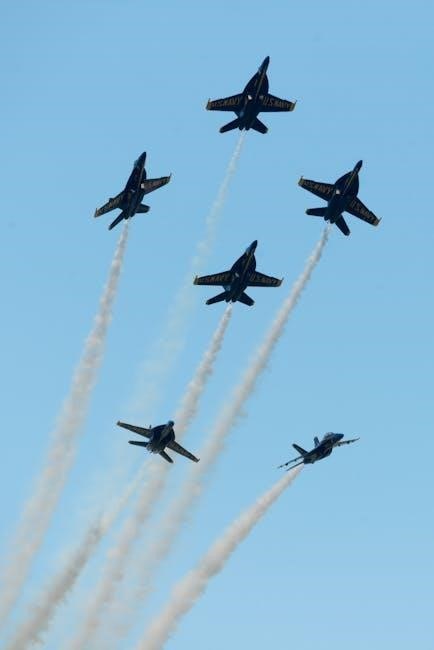
SEAL Teams operate in diverse environments, from remote mountainous regions to maritime hotspots, conducting direct action raids, special reconnaissance missions, and counterterrorism operations․ Maintaining a high state of alert and adaptability is crucial, ensuring they can effectively address unforeseen circumstances and achieve mission objectives, upholding the elite standards of the Naval Special Warfare Command․