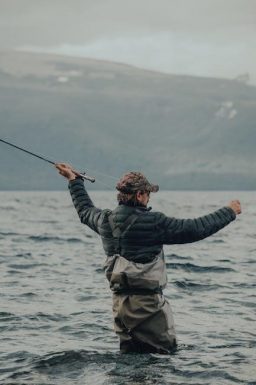
Yellowstone Fly Fishing Guide: A Comprehensive Overview (Updated 12/16/2025)
Yellowstone’s diverse fisheries demand adaptable strategies; regulations prioritize native fish, often requiring catch and release with barbless hooks, especially amidst fluctuating water temperatures and recent flood impacts.
Yellowstone National Park presents an unparalleled fly fishing experience, attracting anglers with its pristine rivers and abundant trout populations. However, success requires understanding the park’s unique ecosystem and stringent regulations. Fly fishing here isn’t simply about casting a line; it’s about respecting a delicate environment and contributing to the preservation of native species like the iconic cutthroat trout.
Recent years have brought challenges, including significant flooding events that altered river access and impacted fish habitats. Anglers must stay informed about current closures and temperature-related restrictions. The park’s commitment to catch-and-release practices, particularly for native fish, underscores the importance of responsible angling. Prepare for diverse conditions and prioritize conservation to fully enjoy Yellowstone’s remarkable fisheries.
Understanding Yellowstone’s Diverse Fishing Environments
Yellowstone’s fishing environments are remarkably varied, shaped by geothermal activity, elevation changes, and watershed dynamics. The Yellowstone River offers expansive, challenging waters, while the Madison River is famed for its delicate dry fly fishing. The Firehole River, influenced by thermal springs, supports unique insect life and consistent temperatures. More remote options like Slough Creek provide a wilderness experience.
Understanding these differences is crucial. Recent flooding has reshaped riverbeds and access points, demanding adaptability. Water temperatures significantly impact fish behavior, leading to closures during warmer periods. Each environment requires tailored tactics and fly selections, emphasizing the need for informed preparation and respect for the ecosystem’s nuances.
Key Fish Species in Yellowstone
Yellowstone teems with diverse fish, each presenting unique angling challenges. The native Cutthroat Trout is a prized catch, heavily protected by catch-and-release regulations. Rainbow Trout offer readily available action, while Brown Trout demand skill and patience due to their wary nature. Often overlooked, Mountain Whitefish provide consistent, though less celebrated, opportunities.
Anglers must differentiate species, as regulations vary. Protecting native Cutthroat is paramount. Understanding each fish’s habitat preferences – from fast-flowing rivers to thermal springs – is key to success. Recent efforts focus on safeguarding these populations against threats like warming waters and invasive species, emphasizing responsible angling practices.
Cutthroat Trout: The Native Gem
Yellowstone Cutthroat Trout are the park’s iconic native species, demanding utmost respect and conservation. Strict catch-and-release regulations are in place park-wide to protect these vulnerable fish, requiring anglers to handle them with extreme care. Their vibrant coloration and aggressive strikes make them a rewarding target.
Found in various habitats, from high-mountain streams to larger rivers, Cutthroat thrive in cooler waters. Recognizing spawning areas and avoiding disturbance during these critical periods is crucial. Anglers play a vital role in their survival, adhering to barbless hook requirements and reporting any unusual fish activity to park authorities.
Rainbow Trout: A Popular Choice
Rainbow Trout are a widely sought-after species in Yellowstone, known for their fighting spirit and willingness to take a fly. While not native, they’ve established thriving populations, offering anglers consistent action. They are often found in similar habitats as Cutthroat, requiring careful identification to ensure proper catch-and-release practices for native species.
Rainbows exhibit varied feeding habits, responding well to a range of fly patterns. Anglers should be aware of regulations regarding limits on non-native fish in certain areas. Responsible angling, including minimizing handling time and using appropriate gear, contributes to maintaining healthy Rainbow populations within the park’s ecosystem.
Brown Trout: Challenging Anglers
Brown Trout present a unique challenge for Yellowstone anglers, renowned for their selective feeding habits and cautious nature. Introduced to the park, they’ve adapted well, often growing to impressive sizes. They typically inhabit deeper pools and slower currents, requiring precise presentation and effective nymphing techniques.
Successfully targeting Brown Trout demands careful fly selection, mimicking the prevalent insect life. Anglers should be prepared for longer drifts and subtle takes. Understanding their behavior, particularly during spawning seasons, is crucial for ethical angling. Remember to adhere to park regulations regarding catch limits and responsible fish handling.
Mountain Whitefish: An Often-Overlooked Species
Mountain Whitefish, native to Yellowstone, are frequently overlooked by anglers focused on trout, yet offer exciting fishing opportunities. They inhabit clear, cool waters, often alongside trout, and are readily caught on nymphs and streamers. While not as prized as trout, they provide consistent action and are a vital part of the ecosystem.
These fish are generally less selective than trout, making them ideal for honing technique. Regulations often require their release, emphasizing their importance to the native fish population. Anglers should practice careful handling to ensure their survival. Don’t underestimate the thrill of landing a strong, silvery Mountain Whitefish!
Essential Fly Fishing Gear for Yellowstone
Yellowstone’s varied conditions necessitate versatile gear. A 9-foot, 5 or 6-weight fly rod is ideal for most situations, paired with a matching reel and weight-forward floating line. Bring sinking tips for deeper runs. Leaders should be 9-12 feet, tapering to 4X or 5X.
Essential flies include Parachute Adams, Elk Hair Caddis, Prince Nymphs, and Woolly Buggers. Waders are crucial, even in summer, due to cold water. Don’t forget a net, floatant, nippers, forceps, and a waterproof pack. Polarized sunglasses protect your eyes and help spot fish. Prepare for changing weather with layers!
Rod and Reel Selection
Choosing the right rod and reel is paramount for Yellowstone’s diverse fisheries. A 9-foot, 5 or 6-weight fly rod offers versatility for various river sections and target species. Graphite or fiberglass rods provide sensitivity and casting ease. Match your rod with a high-quality reel capable of holding sufficient backing and a smooth drag system.
Consider a reel with a large arbor to retrieve line quickly. Weight-forward floating lines are standard, but sinking tips are beneficial for deeper runs. Ensure your reel balances the rod for comfortable casting. Durability is key, given Yellowstone’s rugged terrain.
Fly Lines and Leaders
Selecting appropriate fly lines and leaders significantly impacts presentation and hookups. Weight-forward floating lines are the most versatile choice for Yellowstone’s varied currents. Consider a line designed for delicate presentations, crucial for wary trout. Sink-tip lines excel when fishing deeper runs or faster water.
Leaders should typically be 7.5 to 9 feet long, tapering down to 4X or 5X tippet, matching the hatch and minimizing visibility. Fluorocarbon tippet is preferred for its low visibility and abrasion resistance. Regularly check and replace leaders to maintain optimal presentation and prevent break-offs.
Must-Have Fly Patterns
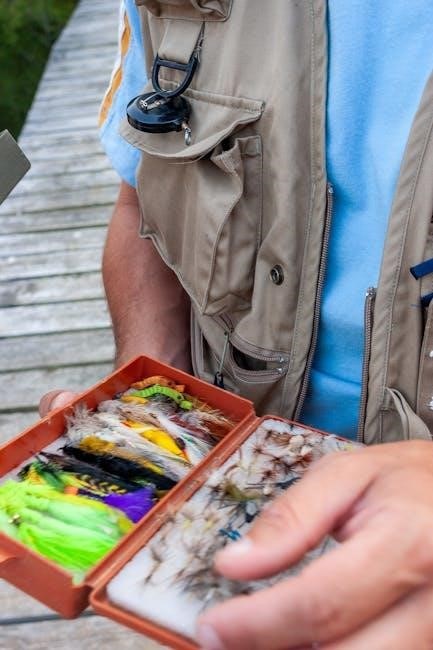
A well-rounded fly box for Yellowstone requires versatility. For dry fly fishing, Elk Hair Caddis (sizes 12-16), Parachute Adams (14-18), and Royal Wulffs (14-16) are essential. Streamers like Woolly Buggers (sizes 6-10) and Zonkers (sizes 6-8) effectively imitate baitfish. Nymphs, including Pheasant Tails (16-20), Hare’s Ears (16-20), and Copper Johns (14-18), consistently produce results.
Don’t overlook terrestrial patterns like Hoppers and Ants during late summer. Carry a selection of emergers to match prevalent insect hatches. Local fly shops provide valuable insight into current hotspots and effective patterns.
Navigating Yellowstone Fishing Regulations
Yellowstone National Park enforces strict regulations to protect its vulnerable fisheries. Park-wide, a catch-and-release policy is standard for all native fish, including cutthroat trout and mountain whitefish. Artificial lures and flies are generally mandated, prohibiting bait fishing. All hooks must be barbless or have barbs pinched, minimizing fish harm.
Specific rivers may have unique rules, so check current park guidelines. Be aware of potential closures due to high water temperatures, impacting fish health. Staying informed about these regulations is crucial for responsible angling and preserving Yellowstone’s ecosystem.
Park-Wide Regulations: Catch and Release
Yellowstone National Park’s cornerstone regulation is a comprehensive catch-and-release program, vital for sustaining native fish populations. This policy applies universally to all native species, prominently including the prized cutthroat trout and the often-overlooked mountain whitefish. Anglers are legally obligated to release all caught native fish unharmed back into the water.
This practice minimizes stress and mortality, ensuring the long-term health of these sensitive ecosystems. Careful handling, wet hands, and minimizing air exposure are essential. Adherence to this rule is paramount for responsible fly fishing within the park’s boundaries.
Specific River Regulations
Beyond the park-wide catch-and-release mandate, individual rivers within Yellowstone possess unique regulations tailored to their specific fisheries. Certain waters are designated as fly-fishing only, restricting the use of spin gear or bait. These areas aim to preserve the delicate balance of insect life and enhance the dry fly fishing experience.
Anglers must consult the official Yellowstone National Park fishing regulations booklet, available online and at visitor centers, for detailed information pertaining to each river. Regulations can vary significantly, impacting permitted lures, hook types, and seasonal closures.
Hook and Lure Restrictions
Yellowstone National Park enforces strict regulations regarding hooks and lures to protect fish populations. All hooks, regardless of type, must be barbless or have their barbs pinched closed before use. This minimizes injury to fish during catch and release, increasing their survival rates; The use of artificial lures and flies is generally permitted, while bait fishing is often restricted or prohibited entirely.
These restrictions are in place to safeguard the park’s native fish species, particularly the vulnerable cutthroat trout. Anglers are responsible for understanding and adhering to these rules to contribute to the long-term health of Yellowstone’s fisheries.
Updates on Fishing Closures Due to Water Temperature
Yellowstone National Park frequently implements fishing closures based on water temperature and river flow levels. Warm water holds less oxygen, stressing fish and increasing mortality rates. The National Park Service monitors conditions closely, and sections of rivers and streams may be partially or fully closed to angling when temperatures exceed specific thresholds.
Recent closures have impacted popular fishing spots, requiring anglers to check current conditions before heading out. Updates are posted on the park’s website and at visitor centers. These proactive measures aim to protect fish during vulnerable periods, ensuring the sustainability of Yellowstone’s renowned fisheries.
Prime Fly Fishing Locations in Yellowstone
Yellowstone boasts exceptional fly fishing across diverse waterways. The Yellowstone River offers extensive blue-ribbon trout fishing, while the Madison River is celebrated for its dry fly opportunities. For thermal influences and unique insect hatches, explore the Firehole River. Anglers seeking solitude will find Slough Creek a remote and scenic haven.
Access to these locations can be affected by seasonal conditions and recent flooding, so checking current park updates is crucial. Each river presents distinct challenges and rewards, catering to varying skill levels and preferences. Remember responsible angling practices to preserve these pristine environments.
The Yellowstone River: A Blue-Ribbon Fishery
The Yellowstone River is renowned as a premier trout destination, offering extensive stretches of accessible water. Anglers can target rainbow, brown, and cutthroat trout, employing various techniques like dry fly fishing, nymphing, and streamer fishing. Its vastness demands adaptability, with varying currents and depths influencing fish behavior.
Recent flooding has impacted boat ramps and access points, requiring anglers to check current conditions before venturing out. Understanding the river’s complex ecosystem and adhering to park regulations are vital for responsible fishing. This iconic waterway consistently delivers exceptional angling experiences.
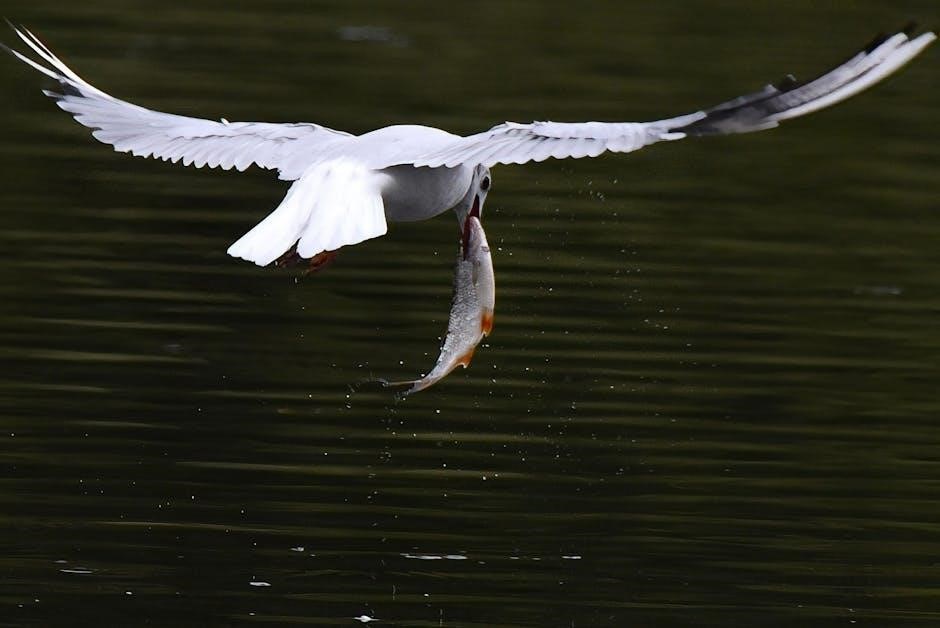
The Madison River: Renowned for Dry Fly Fishing
The Madison River is celebrated for its prolific insect hatches and consistent dry fly opportunities, attracting anglers seeking classic western fly fishing. Its clear waters and diverse riffles, runs, and pools support healthy populations of rainbow, brown, and cutthroat trout. Careful observation of insect activity is key to success.
Like other Yellowstone-area rivers, the Madison experienced access challenges due to recent flooding. Anglers should be aware of changing conditions and respect all park regulations, including catch-and-release practices. This river provides a truly memorable angling experience for those prepared to read the water.
The Firehole River: Thermal Influences and Insect Life
The Firehole River presents a unique fly fishing experience due to its geothermal activity, resulting in warmer water temperatures and a longer growing season for aquatic insects. This supports abundant insect hatches, even during cooler months, creating consistent fishing opportunities. However, these thermal influences also mean the river is susceptible to closures during periods of high water temperatures.
Anglers must monitor current park regulations regarding closures, as warm water can stress fish populations. The Firehole’s diverse insect life requires a varied fly selection, and understanding thermal springs’ impact is crucial for a successful outing.
Slough Creek: A Remote and Scenic Option
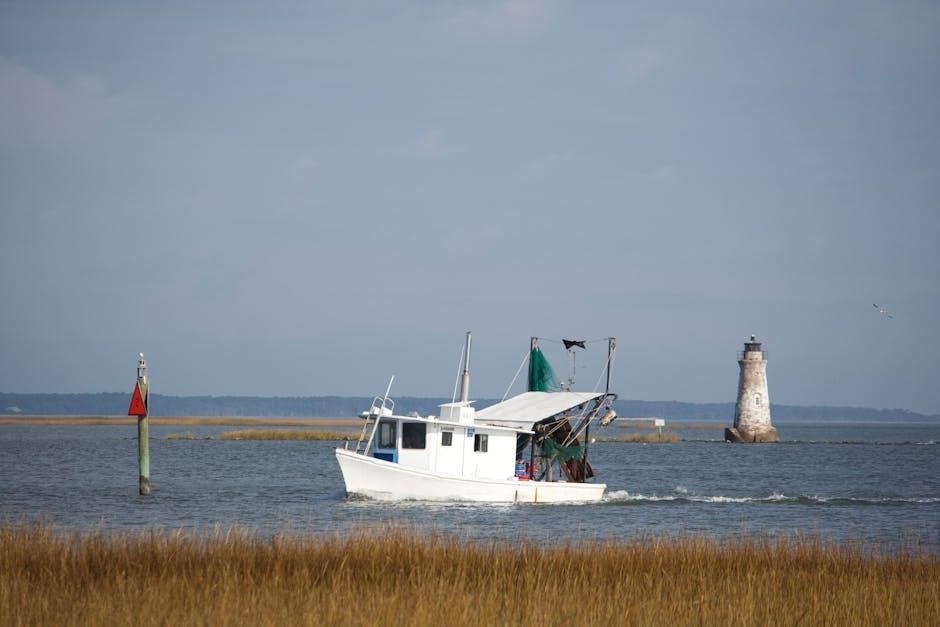
Slough Creek offers a more secluded fly fishing experience, renowned for its stunning scenery and abundant wildlife viewing opportunities. This remote location typically sees fewer anglers, providing a peaceful atmosphere. The creek is particularly famous for its cutthroat trout fishing, demanding careful presentation and fly selection.
Access can be challenging, often requiring hiking, but the reward is pristine waters and a chance to connect with Yellowstone’s wilderness. Be prepared for variable conditions and always check current park regulations, as this area is sensitive and requires responsible angling practices to protect its delicate ecosystem.
Seasonal Fly Fishing Strategies
Yellowstone’s fishing seasons dictate distinct approaches. Spring runoff favors streamer patterns to imitate migrating sculpins, while summer brings prolific dry fly hatches, demanding precise presentation. Fall transitions to nymph and streamer fishing as trout prepare for winter, focusing on subsurface feeding.
Warm water closures, increasingly common due to climate change, necessitate monitoring park updates. Adapting to fluctuating river levels and insect activity is crucial. Understanding seasonal trout behavior – spawning, feeding patterns – maximizes success. Remember, regulations often shift with the seasons, prioritizing fish health and conservation.
Spring Fishing: Runoff and Streamer Tactics
Spring in Yellowstone presents challenges with high, turbid water from snowmelt. Effective tactics center around large, brightly colored streamers mimicking sculpins and other dislodged prey. Focus on river edges and deeper runs where trout hold during runoff. Sink-tip lines are essential to get flies down quickly.
Be prepared for fluctuating water levels and potential closures due to high flows. Safety is paramount; scout access points carefully. While dry fly fishing is limited, nymphing can be productive in calmer backwaters. Understanding the timing of runoff peaks is key to maximizing fishing opportunities.
Summer Fishing: Dry Fly Opportunities
Summer brings classic Yellowstone dry fly fishing, with prolific hatches of mayflies, caddisflies, and terrestrials. The Madison and Yellowstone Rivers offer exceptional dry fly stretches. Focus on reading the water, identifying seams and riffles where insects concentrate. Accurate casting and delicate presentations are crucial.
Popular patterns include Parachute Adams, Elk Hair Caddis, and various terrestrial imitations. Be mindful of afternoon thunderstorms and changing conditions. Hopper fishing can be incredibly effective later in the season. Remember park-wide catch and release regulations for native trout, ensuring their preservation.
Fall Fishing: Streamer and Nymph Fishing
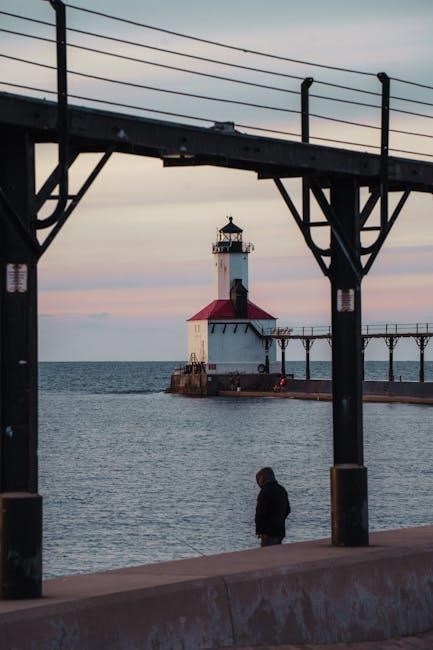
As autumn descends, Yellowstone’s fishing shifts towards streamer and nymph tactics. Trout become more focused on subsurface feeding, preparing for winter. Larger, bolder streamers effectively imitate migrating baitfish. Nymphing with pheasant tails, hare’s ears, and stonefly patterns proves highly productive in slower currents.
Fall colors enhance the scenic beauty, but also bring fluctuating water levels. Monitor river flows and adjust your approach accordingly. Brown trout become particularly aggressive during their pre-spawn phase. Remember to adhere to all park regulations, including barbless hook requirements, and practice responsible catch and release.
Impact of Recent Flooding on Fishing Access
The unprecedented June flooding significantly impacted Yellowstone’s fishing infrastructure. Numerous boat ramps and access points sustained damage, limiting angler access to certain river sections. Road closures also presented challenges for reaching prime fishing locations. Recovery efforts are ongoing, but access remains restricted in some areas.
Anglers should check the National Park Service website for current conditions and closures before planning a trip. The flooding altered river channels and sediment deposits, potentially impacting fish habitat. Be prepared for changing conditions and exercise caution near waterways. Patience and adaptability are key during this recovery phase.
Protecting Yellowstone’s Native Fish Populations
Preserving Yellowstone’s native fish, particularly cutthroat trout, is paramount. Responsible angling practices are crucial, including immediate release of all native species unharmed. Understanding fish mortality risks associated with catch-and-release is vital; minimize handling time and keep fish wet.
Report any unusual fish activity or suspected illegal fishing to park authorities. Utilizing barbless hooks significantly reduces injury to fish, increasing their survival rates. Adhering to all park regulations, including hook and lure restrictions, directly contributes to the long-term health of these vulnerable populations.

Responsible Fishing Practices
Anglers play a critical role in safeguarding Yellowstone’s delicate ecosystem. Practice catch and release diligently, especially with native cutthroat trout, mountain whitefish, and Arctic grayling. Minimize handling time, keeping fish submerged as much as possible to reduce stress and prevent scale loss.
Avoid wading through sensitive spawning areas, and be mindful of your surroundings. Properly dispose of all fishing line and trash, leaving no trace of your visit. Support regulations promoting barbless hooks and artificial lures, contributing to the overall health and sustainability of Yellowstone’s fisheries for future generations.
Understanding Fish Mortality Risks
Even with catch and release, fish can experience stress and mortality. Warm water temperatures significantly increase these risks, reducing oxygen levels and weakening fish. Prolonged fights, deep hooking, and improper handling exacerbate the problem. Fish already stressed from spawning or recent flooding are particularly vulnerable.
Understanding these factors is crucial for responsible angling. Minimize fight times, use appropriate gear, and prioritize quick, gentle releases. Be aware of current park closures due to temperature and flow conditions, and report any observed fish kills to park authorities to aid conservation efforts.
Reporting Unusual Fish Activity
Anglers play a vital role in monitoring Yellowstone’s fish populations. Promptly report any unusual fish behavior, such as visible signs of disease, unusual mortality events (large numbers of dead fish), or fish appearing distressed. Detailed observations, including location, species (if known), and a description of the issue, are invaluable.
Contact park rangers or the Yellowstone National Park fisheries department with your findings. This information helps resource managers respond quickly to potential threats, assess the health of the fishery, and implement appropriate conservation measures. Your vigilance contributes directly to protecting Yellowstone’s native fish.
The Importance of Barbless Hooks
Utilizing barbless hooks is a cornerstone of responsible fly fishing in Yellowstone National Park, mandated by park regulations to minimize harm to fish. Barbs cause significant tissue damage during catch and release, increasing mortality rates and hindering fish recovery. Barbless hooks allow for easier, less damaging hook removal.
Pinching the barbs on existing hooks is a simple yet effective practice. This simple change dramatically improves a fish’s chances of survival after release, contributing to the long-term health of Yellowstone’s vulnerable native fish populations. Prioritize conservation through this essential technique.